Many digital nomads overlook the importance of an emergency fund while pursuing their adventures. You can safeguard your journey and maintain financial stability by setting aside money for unexpected situations. This post will guide you through practical steps to create a reliable emergency fund, ensuring you can enjoy your travels without unnecessary stress. With the right strategies, you will enhance your financial security and focus more on exploring new destinations and experiences.
Key Takeaways:
- Set a specific savings goal based on your travel plans and potential emergencies.
- Automate your savings by transferring a fixed amount to your emergency fund each month.
- Regularly review and adjust your fund based on changing expenses and travel circumstances.
Understanding the Emergency Fund
Your emergency fund acts as a financial safety net that covers unexpected expenses like medical emergencies, travel disruptions, or urgent repairs. It helps maintain your lifestyle during unforeseen events, reducing stress and allowing you to focus on your digital nomad journey. Building this fund ensures you can navigate sudden changes without derailing your plans, making it a vital part of your financial strategy.
What is an Emergency Fund?
An emergency fund is a dedicated savings account meant specifically for unexpected financial situations. This fund should ideally cover three to six months’ worth of living expenses. Having this reserve readily available prevents you from relying on credit cards or loans, allowing for financial stability during unforeseen circumstances.
Why is it Important for Digital Nomads?
As a digital nomad, your lifestyle is often characterized by uncertainty and unpredictability. With the freedom to work from anywhere comes the potential for unexpected challenges, such as illness, a sudden change in accommodation, or unplanned travel costs. Maintaining an emergency fund ensures you can manage these issues without compromising your travel experience or work commitments.
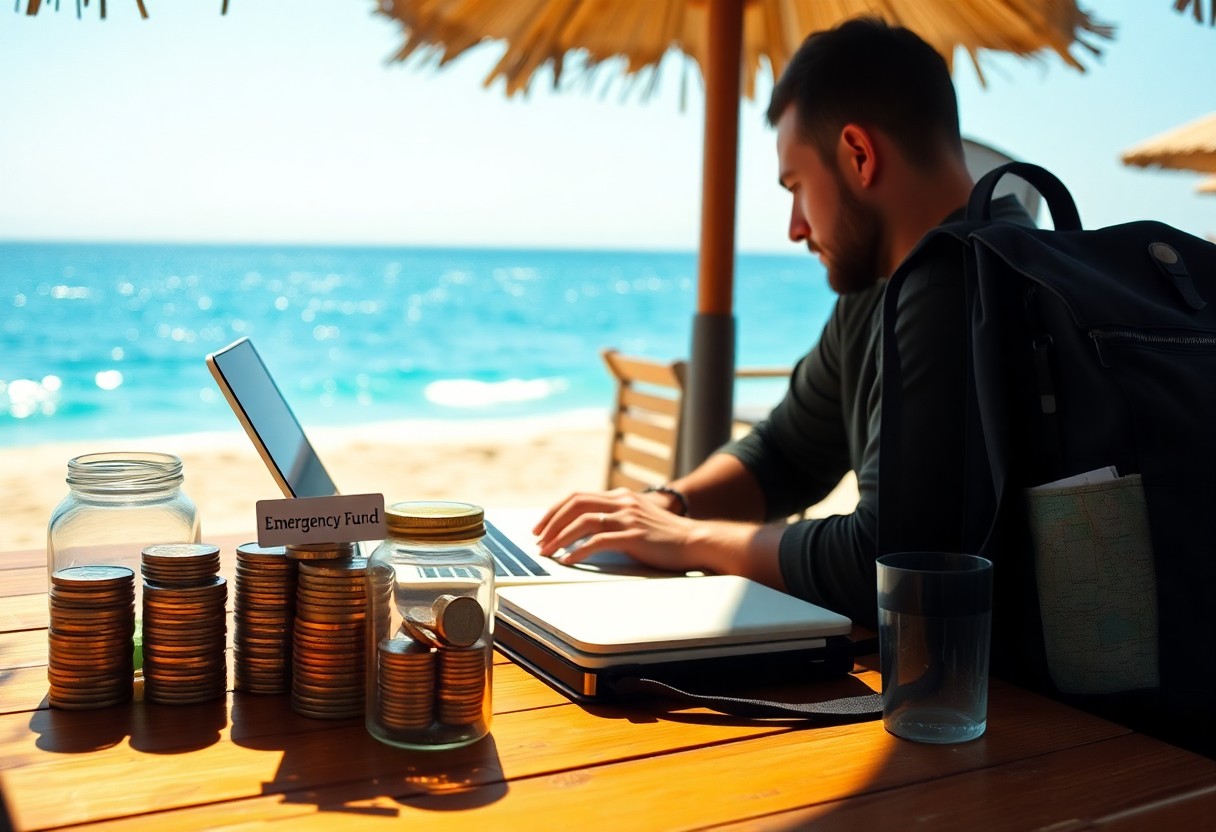
Unexpected situations can arise anytime for digital nomads, especially when traveling to foreign countries. For example, you might fall ill while exploring a new city, leading to high medical expenses, or you jet off to a remote destination where your accommodation unexpectedly cancels. In such instances, an emergency fund provides peace of mind and allows you to address these challenges immediately without financial strain. This financial buffer empowers you to embrace adventure while safeguarding your well-being and work-life stability.
How to Start Saving
Begin your savings journey by assessing your current financial situation. Break down your monthly expenses and identify non-necessary items you can cut back on. Setting aside even a small amount regularly can lead to substantial savings over time. For more insights, explore Personal Finance for Digital Nomads.
Set a Realistic Goal
Your savings goal should reflect your lifestyle and potential emergencies. Evaluate the costs of emergencies you’d like to cover, such as medical bills, travel disruptions, or sudden repairs. Aim for an achievable amount that won’t hinder your daily spending.
Choose the Right Savings Account
Selecting the right savings account can enhance your financial growth. Look for accounts with high interest rates, low fees, and easy access to your funds. Online banks, for example, often provide better rates than traditional banks due to lower overhead costs.
Consider a high-yield savings account or a money market account, which typically offer competitive interest rates and are designed for savers. Ensure your chosen account is FDIC-insured for added security. Regularly monitor rates and be ready to switch if you find a better option elsewhere.
Tips for Building Your Fund While Traveling
Building your emergency fund while traveling requires strategic planning. Start by setting a monthly savings goal and stick to it, even when you are on the go. Utilize budget-friendly travel options to reduce costs, and be mindful of your spending. Consider these tips:
- Create a travel budget.
- Seek affordable accommodation.
- Use apps to track your expenses.
- Look for free activities.
- Save on food by cooking.
Perceiving your expenses as opportunities for savings can transform your approach to travel finances.
Budgeting on the Go
Effective budgeting while traveling allows you to maximize your resources. Monitor your expenses daily to remain within your budget. Use mobile apps to categorize expenses in real-time and identify areas where you might overspend. Focus on free activities and local dining options to keep costs down while still enjoying your travels.
Finding Remote Work Opportunities
Many digital nomads support their lifestyle through remote work. Online platforms like Upwork, Freelancer, and Remote.co offer numerous gig opportunities. Identify your skills and target clients who require your expertise. Networking within travel communities can also unveil hidden opportunities.
Finding the right remote work can significantly ease your financial worries. Freelancing allows flexibility while offering a steady income source. Diversifying your work by signing up for multiple platforms can help you maximize your income potential. Remember to tailor your profile and portfolio to attract clients effectively, showcasing your skills and previous projects to establish credibility.
Factors to Consider for Your Emergency Fund
Building an effective emergency fund while embracing the digital nomad lifestyle involves various factors. You need to evaluate your situation to ensure you’re adequately prepared for unexpected events. Consider the following:
- Your destination and living costs
- Your income variability and stability
- Potential health care expenses
- Your current savings and financial goals
The right emergency fund can make all the difference in navigating life’s surprises.
Assess Your Lifestyle Needs
Your lifestyle directly impacts how much you should set aside for emergencies. Evaluate your spending habits and lifestyle choices, including accommodation, daily expenses, and leisure activities. A nomadic lifestyle may increase costs in some areas while reducing them in others, such as rent or utilities. Tailor your savings to cover gaps and prevent financial hiccups.
Plan for Unexpected Costs
Unexpected costs can arise at any time, especially when traveling. Medical emergencies, travel disruptions, or other unforeseen events can strain your finances. Anticipate scenarios specific to your travel plans, such as flight cancellations or sudden home repairs. A well-rounded emergency fund should account for possible damages or losses that could derail your adventures.
Developing a detailed plan for unexpected costs ensures you’re ready for whatever life throws your way. Consider factors like travel insurance for medical emergencies and cancellation coverage for itineraries. Aim to save three to six months’ worth of living expenses to cover your bases. This sum allows flexibility and peace of mind, enabling you to navigate the unpredictability of a digital nomad lifestyle without substantial financial stress.
Staying Motivated
Motivation can wane when you’re juggling finances while leading a digital nomad life. Regularly remind yourself of your goals and how an emergency fund protects your freedom. Seek inspiration from stories about others who successfully navigated the financial challenges of the nomadic lifestyle. For insight, check out The Hidden Financial Challenges of the Digital Nomad… to understand the importance of staying financially grounded while pursuing adventure.
Track Your Progress
Monitoring your savings journey is imperative for maintaining motivation. Set specific financial milestones, whether it’s contributing a set amount each month or reaching a targeted savings goal. Use apps or spreadsheets to track your contributions and celebrate each small victory along the way.
Celebrate Small Wins
Recognizing your achievements, no matter how small, reinforces positive behavior. Each time you hit a saving goal, treat yourself with a small reward. This could be a nice meal out, a day trip, or even a new book. Rewards help create a positive association with your savings efforts.
Celebrating small wins builds momentum and keeps you engaged in your financial goals. For instance, if you reach your monthly savings target, take a moment to enjoy your favorite coffee shop or explore a new place. The key is to find joy in the journey, making the process of building your emergency fund not just about numbers, but also about enriching your life experiences as a digital nomad.
Common Mistakes to Avoid
Avoiding common pitfalls is imperative when building your emergency fund as a digital nomad. Many neglect to think deeply about their income fluctuations or fail to review their budget regularly, which can jeopardize their savings goals. For a deeper understanding of these challenges, explore this insightful article on Emergency Financial Planning for Expats and Digital ….
Overestimating Income
Many digital nomads mistakenly overestimate their income potential and base their budget on unrealistic earnings. This kind of financial optimism can lead to inadequate savings for emergencies. By being overly confident about income, you risk underfunding your emergency fund, making it difficult to cover unexpected expenses.
Neglecting to Review Your Budget
Ignoring your budget leads to financial blind spots. Without regular reviews, you may overlook rising expenses or changing income patterns. This can result in a skewed perception of your financial situation, causing you to misallocate funds meant for your emergency savings. Regularly revisiting your budget ensures you adapt to changes in your lifestyle and income, securing your financial safety net.
Final Words
Upon reflecting, building an emergency fund as a digital nomad requires discipline and planning. Start by setting a specific savings goal based on your unique lifestyle and expenses. Automate your savings to ensure consistency, and allocate a percentage of your income each month. Explore cost-effective living options and consider alternative income streams to boost your savings. Keep your fund accessible but separate from your daily spending to maintain your focus. With these strategies, you can create a financial safety net that supports your adventures without compromising your freedom.
FAQ
Q: What is an emergency fund and why is it important for digital nomads?
A: An emergency fund is money set aside to cover unexpected expenses, like medical bills or sudden travel changes. For digital nomads, it provides financial security, allowing you to handle emergencies without interrupting your lifestyle or work.
Q: How much should I aim to save for my emergency fund while living as a digital nomad?
A: Aiming for three to six months’ worth of living expenses is a good goal. This amount allows you to cover basic needs like housing, food, and insurance without stress in case of emergencies or income loss.
Q: What are some effective strategies for building an emergency fund on the go?
A: To build your emergency fund, consider these strategies:
- Set a monthly savings goal and allocate a portion of your income.
- Choose low-risk savings options like high-yield savings accounts.
- Cut non-important expenses when traveling and redirect those savings to your fund.
- Use freelance platforms for extra income during downtime.
This approach can help you consistently save while enjoying the digital nomad lifestyle.