Wines are not just beverages; they can also serve as valuable investments. If you’re new to the world of rare and vintage wines, understanding how to navigate this market can set you up for success. With the right knowledge and strategies, you can build a collection that not only delights your palate but also appreciates in value over time. In this guide, you will discover important tips to help you make informed decisions and enjoy your wine investment journey.
Key Takeaways:
- Choose wines from reputable producers and renowned regions to increase your chances of value appreciation.
- Understand wine storage requirements; maintaining the right temperature and humidity is vital for preservation.
- Educate yourself about wine auctions and marketplaces to identify investment opportunities and trends.
Understanding Rare and Vintage Wines
You need to grasp what sets rare and vintage wines apart to make informed investment choices. Rare wines are typically limited in quantity or from exceptional vintages. Vintage wines refer specifically to those produced in a single year, usually showcasing the best characteristics of that year’s growing conditions. Collectors and investors seek these wines for their scarcity and historical significance, often leading to increased market value over time.
What Are Rare and Vintage Wines?
Rare wines often come from distinguished regions or are produced in small quantities, making them highly sought after. Vintage wines, on the other hand, are marked by their year of production and are celebrated for their quality and aging potential. The combination of rarity and vintage status contributes to a wine’s allure and investment value.
Factors That Affect Value
Focus on these elements to identify promising investment opportunities. For example, wines from well-established regions like Bordeaux or Burgundy typically retain higher values. Provenance—documenting a wine’s history from vineyard to bottle—can also enhance resale worth. Ensure due diligence, as fluctuating preferences within the wine market may favor unexpected producers or regions.
- Provenance can greatly influence desirability.
- Market demand shifts can create value opportunities.
- Emotional factors, like personal connections to wines, can play a role.
- A collector’s network may provide insights on trends.
- Research historical performance for better predictions.
Setting Your Budget
Establishing a budget is vital to navigate the world of rare and vintage wine investments effectively. Knowing how much you can spend will guide your purchasing decisions and help you avoid overspending. Factor in both the initial investment and ongoing costs to get a complete picture of what you can comfortably manage without financial strain.
Initial Investment Costs
Initial investment costs can vary significantly based on the wines you choose. Prices can range from a few hundred dollars for emerging vintages to several thousand for established rare wines. Popular regions like Bordeaux and Burgundy often command higher prices due to their prestige. You should consider the average market prices and how much you’re willing to allocate for your first purchase.
Ongoing Costs to Consider
Ongoing costs include storage fees, insurance, and the potential need for additional purchases to build or maintain your collection. Proper storage, whether in a dedicated wine fridge or a climate-controlled cellar, can require monthly or yearly costs. Additionally, consider insurance to protect your investment from theft or damage.
Storage can easily become a significant part of your budget. An ideal environment maintains consistent temperature and humidity levels, which may mean investing in a reliable wine cooler or hiring a storage service. Insurance typically costs about 1-3% of your total wine collection’s value annually, protecting against unforeseen events. Additionally, participating in wine auctions or buying wines at market prices may result in fluctuating expenses, so keep an eye on market trends and plan your finances accordingly.
Where to Buy Rare and Vintage Wines
Finding the right source for rare and vintage wines is vital for beginners. Start by researching local wine shops with a solid reputation. Many of these retailers have specialized sections for fine wines, offering a curated selection from various regions. Additionally, consider online platforms known for their extensive databases. These sources usually provide detailed descriptions, ratings, and provenance, helping you make informed decisions.
Reputable Wine Retailers
Look for wine retailers with strong reputations and established histories. These shops often emphasize quality and authenticity over profit, offering genuine bottles from renowned vineyards. Consult their certifications and customer reviews to gauge trustworthiness. Visiting in person can also allow you to chat with knowledgeable staff, enhancing your understanding of the wines available.
Auctions and Private Sales
Auctions and private sales present valuable opportunities to acquire rare wines. Many auction houses specialize in fine and collectible wines, offering items with detailed provenance and auction histories. In private sales, individuals or dealers may list high-quality selections that aren’t available in stores, giving you access to unique finds at potentially lower prices than retail.
Participating in auctions can be thrilling, but it requires research and knowledge of market values to avoid overpaying. Many reputable auction houses offer live bidding events or online platforms. Familiarize yourself with the auction process, including commission fees and insurance. Private sales can involve negotiations that require patience and an understanding of wine valuation. Networking with collectors can lead to private sales that might not be publicly advertised or can introduce you to sought-after wines that are harder to find. Always verify the authenticity of a wine’s provenance, as this can significantly impact its value and investment potential.
How to Store Your Wine Properly
Proper storage of your rare and vintage wines directly impacts their quality and investment value. Explore guidelines on temperature, humidity, light, and vibration management to maintain ideal conditions for your collection. For beginners seeking reliable information, check out Fine Wine Investment for Beginners.
Ideal Storage Conditions
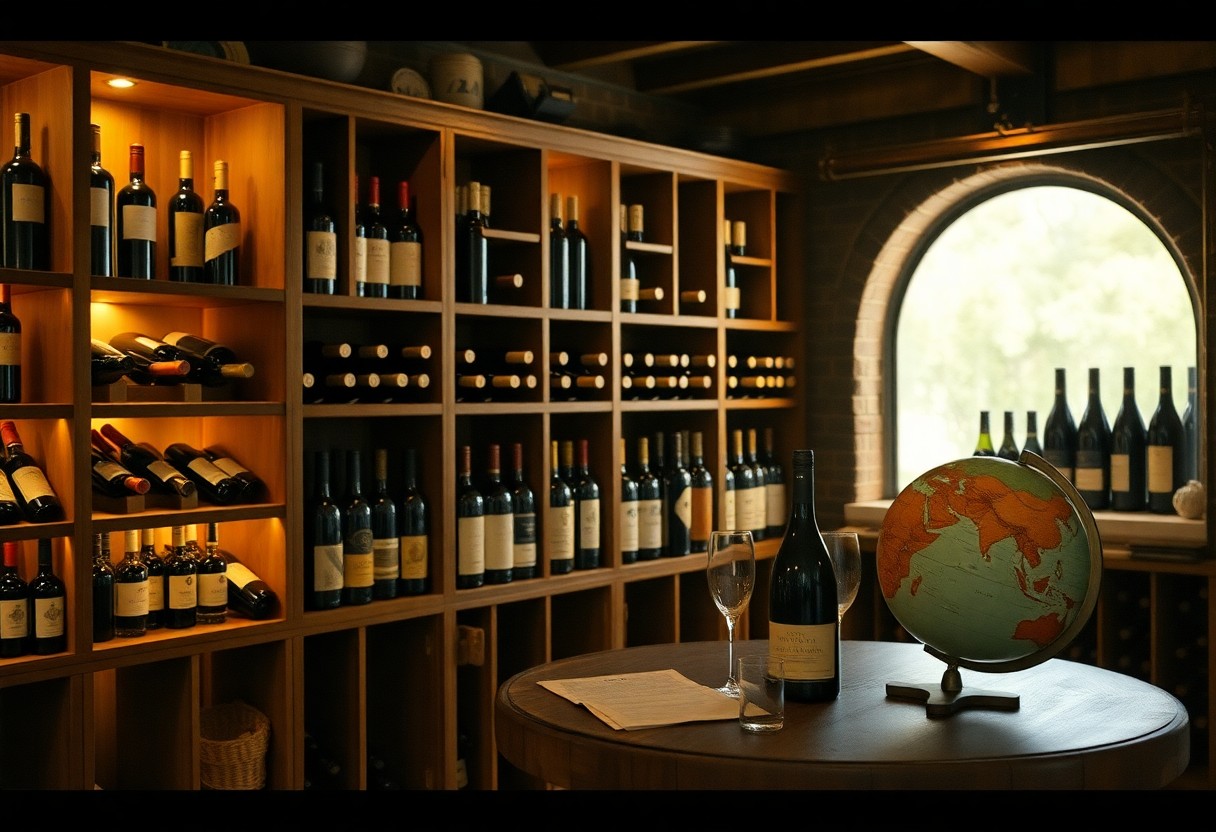
Wine thrives in cool, dark conditions. Store your bottles at a consistent temperature between 50-55°F (10-13°C) and humidity levels around 60-70% to prevent corks from drying out. Keep your wine away from direct sunlight and vibrations, which can disrupt the delicate aging process.
Common Mistakes to Avoid
Avoid exposing your wine to extreme temperatures or frequent changes in climate, as this can lead to spoilage. Storing bottles upright instead of horizontally can dry out corks, allowing air to enter, which can ruin the wine. Lastly, neglecting to control humidity might cause labels to deteriorate, impacting the wine’s resale value.
To safeguard your wine’s investment potential, always check temperature and humidity levels before storage. Using a specialized wine fridge can be beneficial for maintaining ideal conditions. Regularly monitor your collection and manage light exposure to ensure that your rare wines are well-protected.
Building a Balanced Collection
Creating a balanced wine collection means selecting a variety of wines that can provide both enjoyment and investment potential. Focus on quality over quantity, ensuring your collection reflects diversity. For insights on structuring your investments, check out the Wine Collector’s Guide to Investing. Begin with a mix of regions, vintages, and varietals to enhance your portfolio’s overall resilience and appeal.
Types of Wines to Consider
When building your collection, consider these wines:
- Bordeaux and Burgundy for their renowned quality.
- Champagnes for celebratory occasions and investment stability.
- Rhone Valley wines for their unique flavors.
- Italian wines like Barolo and Brunello for prestige.
- Emerging regions that show potential for appreciation.
This approach will help diversify your collection effectively.
| Type | Example |
|---|---|
| Bordeaux | Château Lafite Rothschild |
| Burgundy | Domaine de la Romanée-Conti |
| Champagne | Moët & Chandon |
| Rhone | Châteauneuf-du-Pape |
| Italian | Barolo |
Importance of Diversification
Diversifying your wine collection minimizes risk and enhances potential returns. By including a range of wines from different regions and categories, you reduce the impact of market fluctuations on specific wines. For instance, if one vintage isn’t performing well, others can balance that out, ensuring your collection maintains value over time.
Investing in varied wine types is a strategic move. The wine market, much like any investment arena, experiences ups and downs. Having a blend of renowned wines, such as Bordeaux and lesser-known varietals from emerging regions, protects against losses. For example, while established brands often hold their value, newer wines may appreciate rapidly due to market trends. Consistent diversification can lead to increased enjoyment and better financial outcomes.
Monitoring Your Investments
Regularly assessing your wine investments keeps you informed about their market value and future potential. Utilize resources like Wine investment guide for beginners: How to start … to track trends, consult wine auction results, and stay updated with current market conditions. This knowledge helps you make informed decisions, maximizing your returns.
Keeping Track of Value
To effectively monitor the value of your wine collection, consider using wine investment platforms or databases that provide regular updates on market values. Keeping detailed records of purchase prices, current valuations, and sale offers will help you understand appreciation over time. Additionally, be aware of factors like vintage quality and rarity, as they significantly influence market price.
When to Sell or Hold
Timing in wine investment can be the difference between profit and loss. Assess both market conditions and your personal financial goals. If your wine has appreciated significantly, selling may be wise. Conversely, if you believe a particular bottle has a high potential to increase further in value, holding onto it could yield better returns.
Deciding whether to sell or hold your wine depends on multiple factors, including market trends, historical performance, and your own investment objectives. For example, if a wine from a renowned vintage shows promising demand at auctions, it might be advantageous to sell before the peak. Alternatively, if your collection consists of young wines with aging potential, patience could lead to higher future values. Regular monitoring and understanding of market cycles can guide your decision-making effectively.
To wrap up
Conclusively, investing in rare and vintage wines can be an exciting journey for you as a beginner. Focus on education by learning about wine regions, grape varieties, and market trends. Establish a budget and choose wines with proven appreciation potential. Connect with reputable dealers and join communities or forums to gain insights and advice. Remember to store your wines properly and consider their provenance. By following these guidelines, you can build a valuable collection and deepen your appreciation for the world of fine wines.
FAQ
Q: What should I look for when investing in rare and vintage wines?
A: Focus on the wine’s provenance, which includes its origin, producer, and storage history. Research the wine’s ratings and reviews from experts. Also, consider factors like vintage quality, region, and market demand.
Q: How can I verify the authenticity of a rare wine?
A: Always buy from reputable dealers or auction houses. Check for proper labels, seals, and certifications. Use resources like wine authentication experts or databases that track wine sales to ensure the wine’s legitimacy.
Q: What are some common mistakes beginners make in wine investing?
A: Beginners often invest without sufficient research or guidance, rush to buy trendy wines, and overlook storage conditions. It’s necessary to invest wisely, focusing on wines that have a history of appreciation. Seek advice from seasoned investors before making significant purchases.