It’s exciting to teach your kids about money management. By introducing budgeting early, you set the stage for their future financial success. Simple lessons can make a big difference in how they view money. As they learn to save, spend, and share wisely, they develop habits that last a lifetime. In this blog post, you’ll discover easy ways to teach budgeting skills to your children. These lessons will not only help them understand finances but also build their confidence and responsibility.

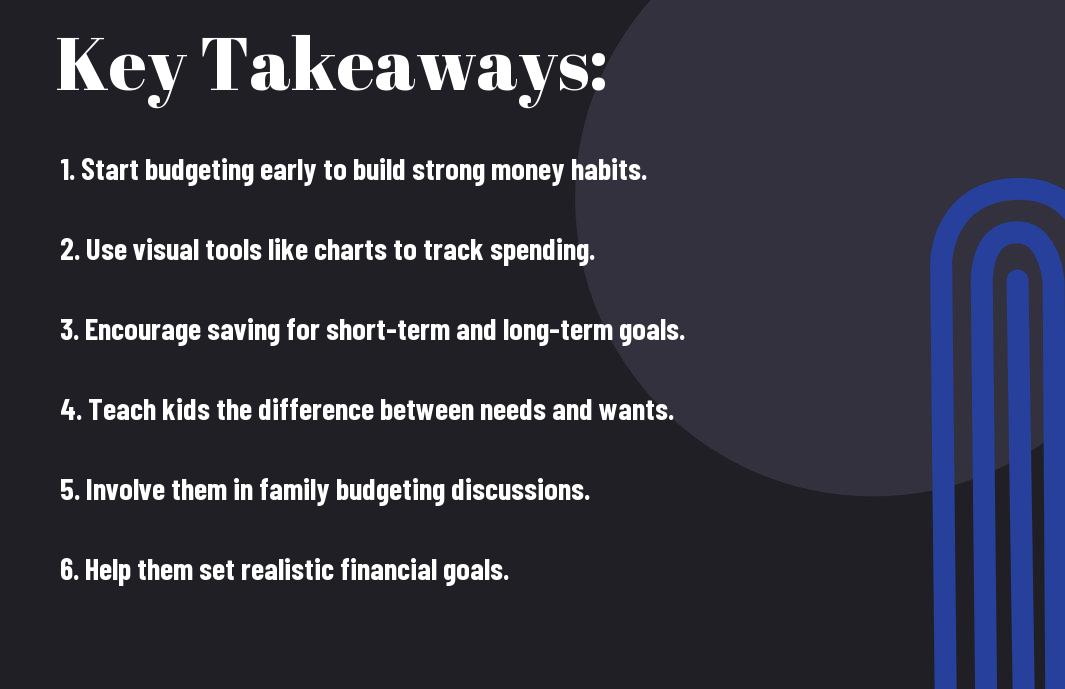
Key Takeaways:
- Teaching kids about budgeting early helps them understand the value of money and the importance of spending wisely.
- Use simple tools like jars or apps to help kids track their savings, spending, and goals, making learning fun and interactive.
- Encourage kids to set small financial goals and celebrate their achievements to build confidence and good money habits.
Why Budgeting Matters for Kids
While you may think budgeting is only for adults, teaching your kids about it early can set them up for success. Budgeting helps children understand the value of money and how to make informed choices. When they learn to manage their finances, they gain confidence and independence. These skills can lead to better financial habits in the future, helping them avoid debt and make smart spending decisions.
Understanding Money Management
Behind every effective budget is the foundation of money management. You teach your kids to track their spending, set savings goals, and distinguish between needs and wants. Learning these skills at a young age helps them develop responsibility and awareness about their finances. By practicing good money management, they are more likely to build healthy financial habits that carry into adulthood.
The Benefits of Early Financial Education
Budgeting provides kids with valuable financial skills they will use throughout their lives. A strong understanding of budgeting can enhance their confidence in handling money. Studies show that children who learn about budgeting and saving early tend to have better financial stability in their adult life. This knowledge allows them to make informed financial decisions and prioritize saving over impulse spending, which leads to a more secure future.
A solid financial education opens doors for your children. It teaches them to think critically about their choices and understand the implications of spending. By instilling these values now, you can help your kids develop a sense of financial responsibility. They will appreciate the importance of saving and investing, setting them on the path to achieving their goals, whether that’s buying a car, funding college, or starting a business one day.
Basic Budgeting Concepts
There’s a lot to learn when it comes to budgeting, especially for kids. Understanding basic budgeting concepts can help them manage money wisely. One effective way to teach them is through allowances. You can find great tips in this article on Allowances and Kids: How to Build Good Spending Habits …. These lessons provide the foundation for making good financial decisions as they grow.
Income and Expenses
Concepts of income and expenses are simple but important. Income is the money you receive, like an allowance or gift money. Expenses are the things you spend money on, such as snacks, toys, or activities. Teaching your kids to track both will help them see where their money comes from and where it goes.
Savings and Spending
Beside managing income and expenses, savings and spending play a big role in budgeting. You should encourage your kids to save a portion of their money for future wants or needs. This helps them understand the value of waiting and planning for larger purchases.
Indeed, having a solid savings plan can set the stage for smart money habits later in life. You might suggest they divide their money into three jars: one for spending, one for saving, and one for giving. This visual method makes it easier for kids to grasp the importance of balancing fun with responsibility.

Fun Ways to Teach Budgeting
Not all lessons on budgeting need to be boring. You can make learning about money enjoyable for kids through games and activities. Try using creative tools like Financial Literacy for Kids: Lesson Plans for Elementary. These resources provide fun ways to help children understand the importance of budgeting while having a great time.
Games and Apps
Behind every enjoyable game or app lies an opportunity to learn about money. Many educational apps teach budgeting concepts in a fun way. Games simulate real-life financial situations, making it easier for kids to grasp how to allocate their resources wisely.
Real-Life Scenarios
Across daily life, you can point out budgeting examples. Whether it’s planning a family outing or saving for a toy, real-life scenarios help kids see budgeting’s value. Share your budget with them and explain the choices you make. This practical approach helps them understand the real-world impact of managing money.
Teach your kids about budgeting by introducing simple, relatable scenarios. For example, involve them in planning a grocery shopping trip. Let them choose snacks while staying within a set budget. This not only encourages decision-making but also helps them learn how to prioritize spending. You can also have them save for a desired toy to experience the rewards of patience and planning.
Setting Up a Budget Together
Despite what many people think, setting up a budget can be fun and empowering for you and your kids. Involving them in the budgeting process fosters responsibility and helps them understand the value of money. Start by discussing your family’s expenses and income, making sure to explain each item. You can use this opportunity to encourage open conversations about finances, showing them that budgeting is a valuable life skill.
Creating a Simple Budget
Around the world, families use simple budgets to manage their money effectively. You can begin by listing your sources of income and your monthly expenses. This might include groceries, bills, and savings. Divide these into fixed expenses (like rent) and variable expenses (like entertainment). Teaching your children how to categorize these expenses will help them grasp the budgeting concept easily.
Tracking and Adjusting the Budget
Setting a budget is only the first step; tracking it is just as important. You should review your budget regularly, ideally once a month, to see if you’re sticking to it. Discuss your spending habits with your kids during these reviews. This can highlight areas where you might overspend and where you can cut back. Encourage them to be proactive about tracking their personal spending as well. This way, they learn to adjust their habits for better financial health.
A good practice when tracking and adjusting your budget is to use tools like apps or spreadsheets. These can help you visualize your spending and see how close you are to your budget goals. You can also set aside time to discuss any unexpected expenses or financial changes that may have occurred. This collaborative approach not only reinforces teaching moments but also builds financial confidence in your kids.
Encouraging Good Financial Habits
After you introduce budgeting concepts to your kids, it’s important to encourage good financial habits. You can help them develop a positive attitude towards money by guiding them in their spending and saving decisions. Establishing budget-friendly routines now can set the stage for responsible financial behavior in the future. Teaching your kids how to manage money wisely will contribute to their long-term success and confidence in handling finances.
Positive Reinforcement
Around the age of 10, kids start to grasp more complex ideas about money. Use positive reinforcement to motivate them. Celebrate their budgeting successes, no matter how small. When they save towards a goal or stick to their budget, praise them. This encouragement will build their confidence and reinforce the behavior you want to see.
Leading by Example
Across their lives, children learn a great deal from observing you. If you demonstrate good financial habits, they are likely to mimic those actions. Show them how you budget, save, and make thoughtful purchases. Discuss your financial decisions openly, so they can see the reasoning behind your choices. This transparency helps them understand the value of responsible money management.
Also, leading by example is effective in teaching your kids about budgeting. When they witness you setting financial goals and making a plan to reach them, they learn the importance of discipline. Share your successes and even setbacks in budgeting. This honest approach reminds them that managing money is a journey. Your actions today will significantly impact their future financial success.

Overcoming Challenges
All kids face challenges when learning about budgeting. It can be tough for them to grasp the concept of money management. They might find it hard to stick to budgets or understand why saving is important. To help them navigate these hurdles, you can support their efforts and address any concerns. For more guidance, check out Money Lessons for Kids: Simple Steps to Raise Financially ….
Common Budgeting Mistakes
By teaching your kids budgeting, they may make some common mistakes at first. They might forget to track their expenses or miscalculate their needs. These errors can lead to frustration, but they are part of the learning process. Encourage them to think about their spending choices and keep a close eye on their budgets.
Tips for Staying on Track
By following certain strategies, you can help your kids stay on budget. Here are some helpful tips:
- Set specific goals.
- Create a weekly or monthly spending limit.
- Review your budget regularly.
Knowing these tips can make budgeting less overwhelming for your kids.
To ensure your child succeeds in budgeting, create a positive environment for learning. Here are some additional suggestions:
- Use fun budgeting apps.
- Involve them in family financial discussions.
- Reward smart money decisions.
Knowing the importance of these strategies will set your child up for better financial habits in the future.
Final Words
Upon reflecting, teaching your kids about budgeting is a step towards their financial success. Simple lessons today can lead to big impacts in their future. By encouraging them to save, plan, and spend wisely, you empower them with important tools for adulthood. Start with small amounts and ideas, and gradually build their understanding. Your guidance helps them become more responsible and confident in handling money as they grow. With your support, they will learn valuable skills that last a lifetime.
FAQ About Kids and Budgeting – Simple Lessons for Big Impact
Q: Why is it important for kids to learn about budgeting?
A: Teaching kids about budgeting helps them understand how to manage money. This knowledge gives them the tools to make smart financial choices in the future. Learning budgeting skills early builds good habits that last a lifetime. It allows kids to save for their goals, spend wisely, and avoid debt.
Q: At what age should I start teaching my kids about budgeting?
A: You can start teaching budgeting concepts as early as age 6 or 7. At this age, kids can begin to understand simple ideas like saving and spending. As they grow older, you can introduce more advanced topics, such as income, expenses, and savings goals. Tailor the lessons to their age and understanding.
Q: What are some fun activities to teach kids about budgeting?
A: Here are a few fun activities to make budgeting lessons enjoyable:
- Piggy Bank Savings: Have kids save their coins in a piggy bank. Set a savings goal and celebrate when they reach it.
- Budgeting Games: Use board games like Monopoly to teach about money management and budgeting in a fun way.
- Shopping Outings: Take kids grocery shopping. Let them plan a small meal and budget for the items. This teaches them how to compare prices and make choices.
Q: How can I help my kids set a budget?
A: To help kids set a budget, follow these simple steps:
- Identify Income: Start by discussing any allowance or money they may earn from chores or small jobs.
- List Expenses: Write down things they want to buy or save for. This could include toys, games, or outings with friends.
- Set Savings Goals: Teach them to save a portion of their income for bigger items they want, like a new bike.
- Review Regularly: Check in with them to see how they’re doing and adjust the budget if necessary.
Q: What are some mistakes to avoid when teaching kids about budgeting?
A: Avoid these common mistakes:
- Being Too Rigid: Allow flexibility in the budget. Kids should learn that it’s okay to adjust their plans if needed.
- Ignoring Their Interests: Make sure the budgeting exercises relate to things they care about. This keeps them engaged.
- Not Starting Early: The sooner they learn, the better. Starting early helps them build good habits from a young age.
Key Takeaways
Teaching kids about budgeting is vital for their financial future. Start young and use fun activities to make learning enjoyable. Involve them in discussing income and expenses to give them hands-on experience. Avoid common pitfalls by being flexible and keeping lessons relevant to their interests. With your guidance, they can develop strong money management skills that will benefit them throughout their lives.