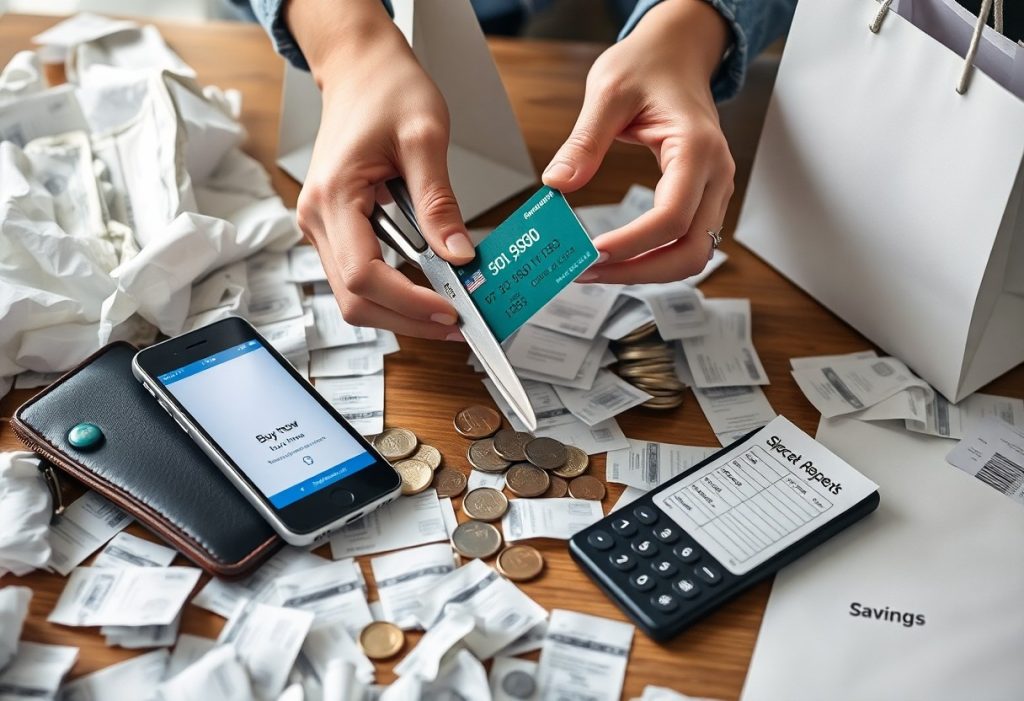
Many shoppers fall prey to impulse spending as your brain prioritizes immediate rewards over long-term goals, triggering emotional buying when you feel stressed, bored, or rewarded; this post explains the cognitive biases and emotional triggers that drive those decisions and gives concise, practical strategies you can use to interrupt automatic purchases, set effective safeguards, and rebuild spending habits to align your behavior with your financial priorities.
Key Takeaways:
- Impulse spending is driven by emotional triggers and immediate reward pathways in the brain; identifying your triggers (stress, boredom, social cues) reduces unplanned buys.
- Practical brakes-pause rules (24-72 hours), wishlist queues, and spending budgets-interrupt impulsive decisions and restore deliberation.
- Change the environment: remove saved payment methods, unsubscribe from marketing, automate savings, and set clear financial goals to shift habits away from impulse purchases.

Understanding Impulse Spending
Impulse spending stems from a tug-of-war between immediate reward systems and the brain’s planning centers. You get a dopamine hit from novelty or deals, while cognitive load or fatigue weakens your prefrontal control. Studies estimate 40-60% of retail purchases are unplanned, and marketing tactics like scarcity, bundling, and personalized ads exploit that gap. Use your awareness to notice when urgency is manufactured versus genuine need.
Psychological Factors
Several psychological drivers explain why you snap up items: high impulsivity and delay discounting make future rewards feel remote; social proof and scarcity cues amplify perceived value; and decision fatigue or cognitive overload lowers resistance, especially after long workdays when one-click offers tempt you.
- Dopamine-driven reward loops that reinforce novelty purchases.
- Delay discounting-preferring $50 now to $100 later-skews choices toward immediate gratification.
- Marketing cues (limited-time offers, low-stock alerts) that trigger urgency.
- Social proof and status signaling that make purchases feel identity-affirming.
- Recognizing these specific mechanisms lets you design targeted defenses (timeouts, spending rules, limits).
Emotional Triggers
Emotional states power many impulse buys: boredom, stress, loneliness, and celebration all shift your spending patterns. You might browse when anxious or reward yourself after a small win; surveys link mood-driven purchases to roughly half of impulse buys, and retailers use mood-targeted ads plus frictionless checkout to convert feelings into transactions.
In practice, stress elevates cortisol while novelty sparks dopamine, creating a physiological push toward immediate purchases; after paydays or emotional events you often spend more. You can counter this by instituting a 24-hour or 48-hour wait, removing saved cards, setting firm monthly limits, and replacing the impulse action with a specific alternative (a walk, a call, or a five-minute breathing exercise) to break the automatic response.
Identifying Personal Patterns
Recognizing Your Triggers
You can identify when and why impulse buys happen by noting context-time of day, mood, app notifications, or social situations; for example, evening scrolling or sale emails often lead to $10-$50 unplanned purchases. Track specific moments like “after 9 p.m.” or “when stressed at work,” and use concrete barriers such as a 24-hour wait or removing saved cards from apps to interrupt the habit before it becomes a purchase.
Keeping a Spending Journal
Keep a simple journal that logs date, amount, merchant, trigger, and your emotional state-aim for daily entries for 30 days to gather actionable data. Use quick codes (S=social, E=email, B=boredom) and categories like food, clothing, subscriptions to speed entry and reveal clusters you can tackle systematically.
Use weekly reviews to total impulse buys, flag transactions over $25, and rank top triggers; for example, summing 30 days might show 18 impulse purchases totaling $360, which lets you set a measurable goal (reduce impulses by 30% next month). Try comparing the first and second halves of your month to test changes, or use an app that exports CSVs so you can sort by merchant and trigger to spot recurring patterns.
How to Curb Impulse Buying
Practical Tips for Resisting Urges
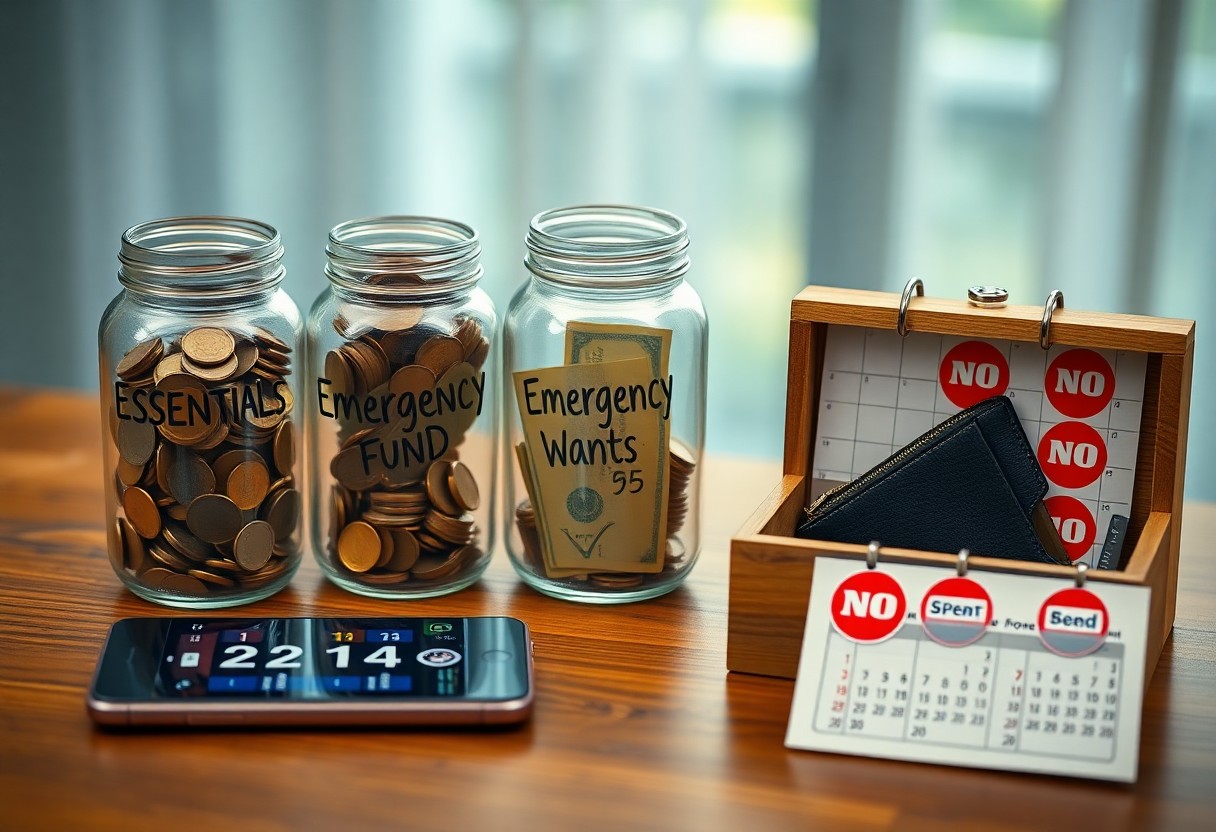
You can reduce impulse buys by building friction into the purchase process: use a 24-hour rule, carry cash for discretionary spending, and set a weekly “fun” budget so impulse items are measured against a limit. Research suggests roughly 40% of retail purchases are unplanned, so small barriers and pre-set rules cut those losses. Try unsubscribing from promotional emails and tracking one month’s impulses to see patterns.
- Apply the 24-hour rule: delay nonimportant purchases for a full day before buying.
- Create a simple weekly allowance or envelope for wants, e.g., $50 per week.
- Remove shopping apps, turn off notifications, and hide saved card details in browsers.
- Any time a sale or ad triggers you, pause and ask if this fits your values before proceeding.
Strategies for Mindful Spending
You should align spending with long-term goals by using frameworks like the 50/30/20 rule-50% needs, 30% wants, 20% savings-and by defining what “want” means for you. Schedule a weekly review of transactions, tag recurring impulse categories, and set automated transfers to savings so discretionary funds are limited. This builds a system where purchases reflect priorities rather than momentary moods.
Start with a 30-day audit: log every purchase and categorize it as need, planned want, or impulse; you’ll likely find 30-50% of “wants” were unplanned. Then apply countermeasures: pre-commit to a specific purchase list, use cash/envelope for discretionary categories, and employ apps that require a password delay for checkout. Over time, these tactics retrain your habits and reduce impulse frequency and spend.

Building Healthy Spending Habits
Start with small, repeatable rules that interrupt impulse loops: use a 24-hour waiting rule, allocate 10-15% of your income to discretionary spending, and automate savings so you never “forget” to save. Guides like The Psychology Behind Impulse Buys: Understanding and Overcoming show that creating friction and tracking purchases for 30 days quickly reveals patterns you can change.
Creating a Budget
You can choose 50/30/20, zero-based, or a custom plan: assign 50% to needs, 30% to wants, 20% to savings, or give every dollar a job. Break spending into clear categories-groceries, subscriptions, dining out-and set caps (for example, dining out $120/month). Track transactions for one month with an app, then trim your top three impulse categories by 25% to free up funds.
Setting Financial Goals
Define SMART targets: build a $3,000 emergency fund in six months, contribute $500/month to retirement, or pay $2,400 of high-interest debt in a year. Break each goal into weekly or monthly milestones so you measure progress, and label goals by priority to guide where you cut impulse purchases first.
Prioritize emergency savings and high-interest debt, then use sinking funds and automated transfers aligned with payday. If your target is $3,000 in six months, schedule $500/month or $125/week into a separate account. Visual progress-charts or balance snapshots-keeps you motivated, and reallocating even $50-$150/month saved from reduced impulses accelerates every goal.
The Role of Environment
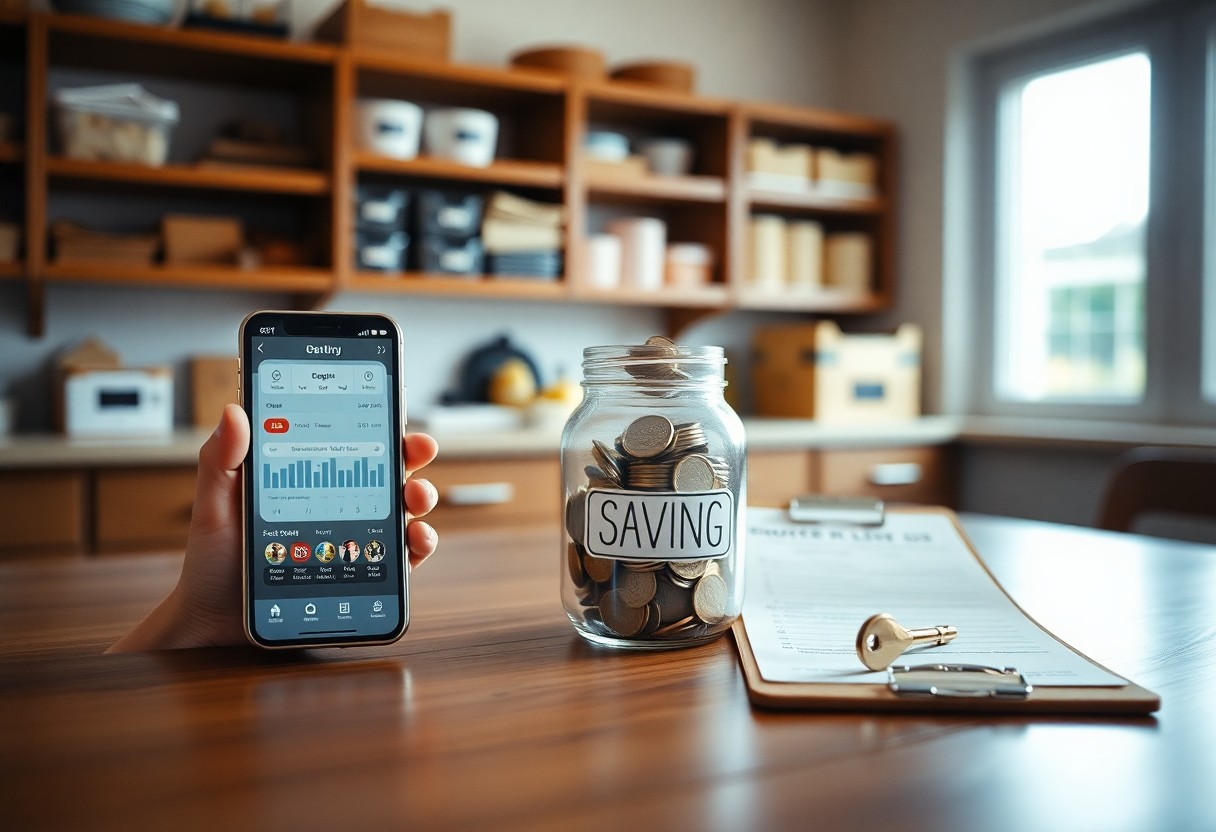
As you move through stores and apps, environmental cues nudge you toward quick buys: product placement, scarcity banners, warm lighting, and one-click checkout all lower friction. In physical retail, end-cap displays and checkout shelves push low-cost add-ons; online, personalized recommendations and countdown timers amplify urgency. Research finds roughly 40-60% of purchases are unplanned, highlighting how context shapes choices.
Factors Influencing Spending Decisions
You respond to scarcity labels, social proof like reviews or “bestseller” tags, and frictionless payment options such as saved cards and one-click checkout. For example, online cart abandonment sits near 70%, showing how small barriers stop purchases, while targeted ads and limited-time offers increase conversion. Recognizing which cues sway you most lets you target specific changes to your environment.
- Scarcity and urgency: flash sales and countdown timers accelerate decisions you might later regret.
- Social signals: high review counts and visible purchases create herd behavior you often follow.
- Placement and pricing: low-priced items at checkout or “frequently bought together” suggestions increase add-on buys.
- Payment ease: saved cards and BNPL remove friction and raise both purchase frequency and average order value.
Reducing Temptations
You can reduce impulsive buys by changing digital and physical cues: unsubscribe from promo emails, remove saved payment methods, and delete shopping apps. Apply a 24- or 72-hour wait for nonimportant purchases, set daily spending limits in your banking app, and shop with a list to stay focused. These steps create the friction that fights automatic, emotion-driven choices.
You can also use tools and habits that raise effort: block retailer sites with apps like Freedom, log out of accounts so checkout takes extra steps, and keep cards in a physical wallet rather than on your phone. Opt for cash or prepaid cards for discretionary spending and set clear price thresholds that trigger a cooling-off period. Since features like one-click checkout and BNPL boost conversions-and retailers report BNPL can raise average order values by about 20-30%-removing those conveniences for yourself meaningfully reduces impulse conversion.
Seeking Support
You can accelerate progress by tapping peers, online groups, or curated guides-start with resources like The Psychology Behind Impulse Buys to identify triggers and proven tactics. Surveys suggest about 40% of consumers make at least one impulse purchase monthly, so sharing strategies-such as a 24-hour waiting rule, purchase audits, or shopping-block browser extensions-helps you reduce repeat mistakes and stay accountable.
Talking About Your Spending Habits
You should schedule a short, weekly money check-in with a trusted friend or partner: spend 15 minutes reviewing receipts, flag impulse items, and set one simple rule (for example, a $50 discretionary cap). Couples who adopt this practice often find clearer priorities and fewer surprise expenses, and you’ll build habit strength faster when someone else helps you notice patterns you miss alone.
Professional Help and Resources
You can turn to financial counselors, behavioral therapists, or certified planners for structured help: nonprofit credit counselors often offer low-cost sessions, while CFPs typically charge hourly fees (commonly $100-300). Cognitive behavioral therapy (CBT) and financial therapy address the emotional drivers of buying, giving you tailored tools-like stimulus-avoidance plans and impulse-delay techniques-that directly reduce unnecessary purchases.
To find professional support, search the CFP Board or National Foundation for Credit Counseling (NFCC) for vetted advisors and look for therapists who list “financial therapy” or impulse-control experience. Expect an intake that maps your income, debt, triggers, and goals, followed by 3-6 focused sessions to set budgets, implement tracking systems (apps or spreadsheets), and establish accountability checks so you sustain change after the program ends.
To wrap up
Hence you can overcome impulse spending by learning your emotional and situational triggers, setting firm budgets and spending rules, using delay techniques (wait 24-48 hours), automating savings, and replacing impulsive buys with planned rewards; consistent tracking and social accountability will strengthen your financial habits.
FAQ
Q: What psychological factors trigger impulse spending?
A: Impulse spending is driven by emotional states (stress, boredom, excitement), a brain reward system that releases dopamine for immediate gratification, and environmental cues such as sales, scarcity signals, and persuasive design (one-click checkout, targeted ads). Decision fatigue and cognitive overload reduce self-control, while social comparison and the desire for status amplify purchases. Limited attention and poor budgeting make it easier to prioritize short-term pleasure over long-term goals.
Q: How do cognitive biases and emotions interact to make impulse purchases more likely?
A: Emotions create a “hot” state where short-term rewards look disproportionately attractive, while cognitive biases like present bias and hyperbolic discounting favor immediate consumption. Anchoring and framing by marketers shift perceived value; social proof and reciprocity increase perceived urgency and trust. The affect heuristic causes people to decide based on feelings rather than analysis, and the hot-cold empathy gap means people underestimate how future urges will influence behavior. Together these forces override planned intentions and amplify spontaneous buying.
Q: What practical, evidence-based strategies stop or reduce impulse spending?
A: Use friction and delay: require a 24-72 hour waiting period for nonvital purchases and disable saved payment methods to break automatic buying. Create rules and implementation intentions (e.g., “If I want to buy clothes, I will wait 48 hours and check my budget”). Automate finances: funnel income to savings and bill accounts before discretionary spending, set spending limits or envelopes, and use cash for categories prone to impulses. Reduce exposure: unsubscribe from marketing, turn off push notifications, block shopping sites during vulnerable times, and avoid window shopping when tired. Train self-regulation: practice urge-surfing and mindfulness to let impulses pass, track triggers to replace emotional spending with healthier actions (walking, calling a friend), and set concrete goals with visible progress to shift rewards to long-term achievements. For severe or compulsive patterns, seek cognitive-behavioral therapy or financial coaching to address underlying emotional drivers and build sustainable habits.