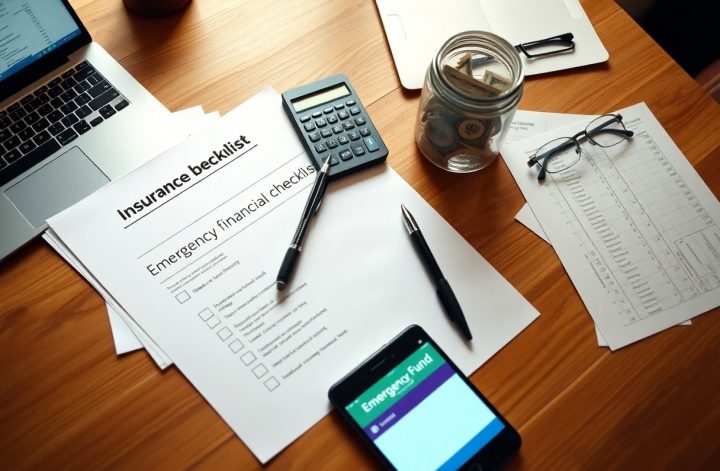
Over time, disasters can strike unexpectedly, whether they’re natural events or financial emergencies. It’s imperative for you to be prepared to protect your finances during these situations. In this blog post, we’ll explore the first steps you can take to ensure your financial health is secure, no matter what happens. With the right approach, you can build a solid foundation that will help you navigate challenging times more easily.
Key Takeaways:
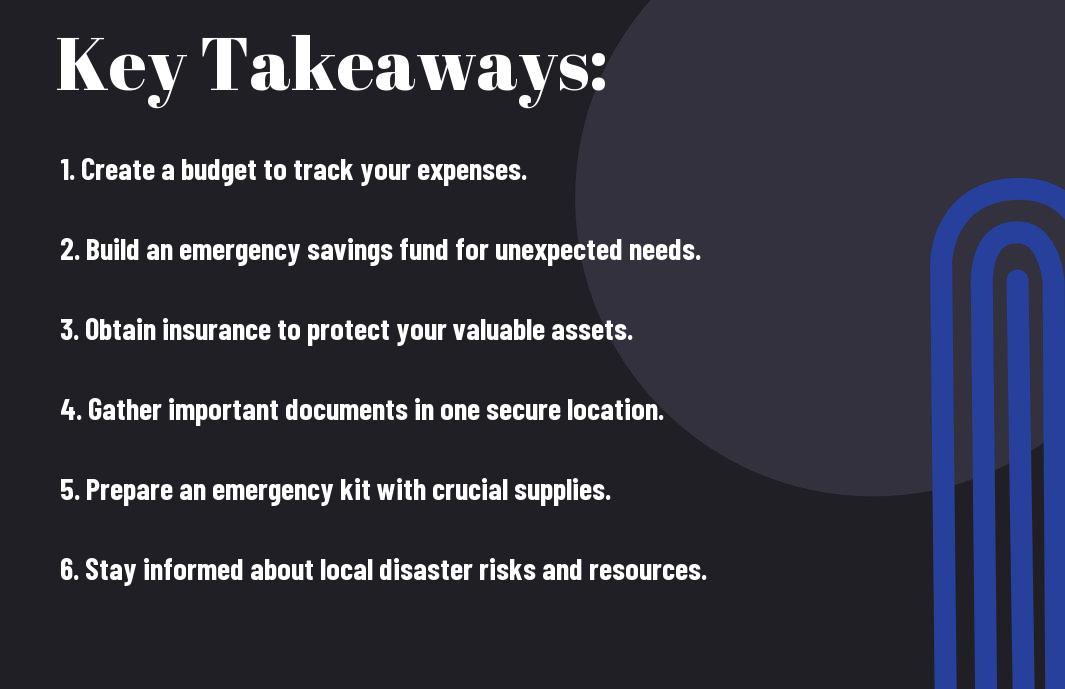
- Build an emergency fund to cover at least three to six months of expenses. This fund will help you handle unexpected situations.
- Create a detailed plan that includes important documents, contact information, and resources for quick access during a disaster.
- Consider purchasing insurance tailored to your needs, such as home, health, and disaster insurance, to protect against potential losses.
Understanding Financial Preparedness
Before a disaster strikes, it’s vital to understand what financial preparedness means. It involves taking steps to ensure your finances are stable during emergencies. This process includes saving money, managing debt, and knowing how to access your resources when you need them the most. By being proactive, you can make tough times a little easier on yourself and your family.
What is Financial Preparedness?
Beside simply saving money, financial preparedness refers to having a plan in place for managing your finances during unexpected situations. This can involve building an emergency fund, purchasing insurance, and understanding your financial options. It helps you stay ready and not feel overwhelmed when faced with uncertain circumstances.
Why is it Important?
What financial preparedness does is help you stay secure during tough times. It ensures you have the funds to cover necessities like food, shelter, and medical care when emergencies hit. Without a plan, you might struggle or rely on credit, which can lead to long-term debt problems.
For instance, having an emergency fund can protect you from financial stress in a crisis. A study shows that those with savings are less likely to face serious financial hardship during unexpected events. Being financially prepared allows you to focus on other important aspects, like your health and safety, rather than worrying about money.
Assessing Your Current Financial Situation
Now is the time to take a close look at your financial situation. Understanding where you stand financially is vital for disaster preparedness. Start by gathering your financial documents, including bank statements and bills. This snapshot will help you clearly see your income, expenses, assets, and liabilities. Knowing these details allows you to make informed decisions as you build your financial safety net.
Evaluating Your Income and Expenses
Along with understanding your total income, take a moment to list all your monthly expenses. This includes everything from rent and utilities to groceries and transportation. Then, compare your income to your expenses. If your expenses exceed your income, you’ll need to find ways to cut back or increase your earnings. Making this evaluation helps you identify areas where you can save money for emergencies.
Identifying Your Assets and Liabilities
After evaluating your income and expenses, focus on identifying your assets and liabilities. This step is necessary in understanding your overall financial health. Your assets include items like savings accounts, property, and investments, while liabilities are debts such as loans or credit card balances. Knowing both helps you calculate your net worth and highlights what you can rely on in challenging times.
Liabilities can add up quickly and impact your ability to save. List each debt you have, including student loans, mortgages, and any credit card balances. This list will give you a clear picture of what you owe. Once you understand your liabilities, you can prioritize paying them off while also building your savings. By managing your debts wisely, you create more financial flexibility for emergencies.
Creating an Emergency Budget
After a disaster strikes, having an emergency budget can help you manage your finances better. Start by listing your income and imperative expenses. This step is vital for understanding what you can afford. For more information on how to approach this, check out Financial Preparedness. This will prepare you for unexpected events and ensure you can navigate financial challenges more easily.
Prioritizing Essential Expenses
At this point, focus on your imperative expenses, such as housing, food, and healthcare. These are the costs you cannot avoid, so make sure to allocate enough of your budget to cover them first. Knowing your priorities can help you stay on track during tough times.
Minimizing Non-Essential Spending
With a tight budget, it’s important to cut back on non-imperative spending. This can include dining out, shopping for clothes, or subscription services. By reducing these costs, you free up money for your imperative needs.
Hence, take a close look at your monthly expenses and identify areas to save. Consider canceling subscriptions or reducing your entertainment budget. Small changes add up quickly, giving you more flexibility in your emergency budget. Staying mindful of your spending can keep your finances secure during a disaster.

Building an Emergency Fund
Your emergency fund is a safety net for unexpected events, like job loss or medical expenses. It provides you with peace of mind, knowing that you have money set aside for emergencies. Start by saving a little each month. Aim to gradually build this fund until you have three to six months’ worth of living expenses saved. This way, you will be well-prepared for whatever life throws your way.
How Much Should You Save?
Below are some guidelines to help you determine how much to save for your emergency fund. Ideally, aim for three to six months of your total expenses. This amount allows you to cover necessary bills, like rent, utilities, and groceries, during tough times. To find your monthly expenses, track your spending for a month and then multiply that by your desired number of months. This will give you a clear savings goal.
Where to Keep Your Emergency Fund
Any accessible account is a good place to keep your emergency fund. Ideally, choose a high-yield savings account so that your funds can earn some interest while remaining easy to access. This way, your money works for you but is still available when you need it.
Indeed, having your emergency fund in a high-yield savings account not only makes it easier to reach your goals but also provides you with some growth through interest. Look for accounts with no monthly fees and consider online banks, which often offer better rates than traditional banks. By keeping your money in a practical place, you can access it quickly when life’s surprises occur, ensuring your financial stability.
Insurance Needs for Disasters
Many people overlook the importance of insurance when preparing for disasters. Proper insurance can protect your finances and help you recover faster after an emergency. It’s wise to learn more about your insurance options. For guidance, check out How to Ensure You’re Financially Prepared for An Emergency.
Types of Insurance to Consider
After considering your insurance needs, you should explore different types of coverage. Each offers unique benefits to help safeguard your finances during disasters. Here’s a list of important insurance types:
- Homeowners Insurance
- Flood Insurance
- Earthquake Insurance
- Auto Insurance
- Disability Insurance
This variety helps you cover most potential risks.
| Type of Insurance | Coverage Details |
| Homeowners Insurance | Protects your home and belongings from damage. |
| Flood Insurance | Coverage for damage caused by flooding. |
| Earthquake Insurance | Covers damage from earthquakes. |
| Auto Insurance | Protection for your vehicle and liability. |
| Disability Insurance | Helps replace lost income due to disability. |
Reviewing Your Current Policies
At least once a year, review your current insurance policies. This ensures you have the necessary coverage for changing needs and potential risks. You might find gaps or areas needing updates.
Reviewing your policies allows you to confirm that your coverage is adequate. Look closely at renewal documents and check replacement costs for your belongings. Adjust your policies as needed based on changes in your life, like marriage, home purchase, or new family members. Understanding your coverage helps you feel secure and financially prepared for any disaster.

Developing a Financial Plan for Recovery
For everyone, having a solid financial plan for recovery is necessary. This plan helps you understand your resources and how to manage them after a disaster. Start by listing your assets and income sources. Then, identify your monthly expenses. This way, you can see how long your funds will last during tough times. A financial plan also prepares you for future emergencies, ensuring you are ready when the unexpected happens.
Steps to Take Immediately After a Disaster
Immediately after a disaster, focus on assessing your situation. Check on your safety and the well-being of loved ones. Once everyone’s safe, document any damages to your property. This will help you when filing insurance claims. Contact your insurance provider as soon as possible to begin the claims process. Keep records of all communications and expenses related to the disaster, as this information will be helpful later.
Long-Term Recovery Strategies
After the immediate response, it’s time to think about long-term recovery. Create a budget that aligns with your new circumstances. Revisit your financial plan and adjust it based on any changes in your income. Explore local resources and support options, such as community assistance programs or government aid, to help you rebuild. These strategies will help you recover more effectively and feel more secure in the future.
Long-term recovery strategies focus on rebuilding and planning for improved stability. Start by setting achievable financial goals, such as saving a certain amount each month. Look for ways to increase your income, whether through part-time work or side projects. Stay informed about financial resources or grants available for disaster recovery. This proactive approach allows you to strengthen your financial situation and be better equipped for any future challenges.
Summing up
Summing up, taking the first steps toward financial preparedness for any disaster is crucial for your peace of mind. Start by creating an emergency budget, building an emergency fund, and securing important documents. These actions not only protect you during tough times but also help you feel more in control. By planning ahead, you ensure that you and your loved ones can handle unexpected situations with confidence. Make these steps a priority in your financial journey.
Frequently Asked Questions (FAQ) about Financial Preparedness for Disasters
Q1: What does financial preparedness mean?
A: Financial preparedness means being ready for unexpected events that could affect your finances. This includes having a budget, saving emergency funds, and knowing how to access your money quickly if needed. It helps you respond better when disasters strike.
Q2: Why is it important to have an emergency fund?
A: An emergency fund is a savings account specifically for tough times. It helps you cover unexpected expenses, like medical bills or home repairs, without going into debt. Ideally, aim to save three to six months’ worth of your living expenses in this fund.
Q3: How can I create a budget for disaster preparedness?
A: To create an effective budget, follow these steps:
- List all your monthly income sources.
- Track your regular expenses, like rent, utilities, and groceries.
- Identify areas where you can cut back, if necessary.
- Set aside a specific amount each month for your emergency fund.
This way, you can build your savings while managing your daily costs.
Q4: What should I include in my disaster financial kit?
A: Your disaster financial kit should contain:
- Cash in small denominations.
- A copy of important documents (ID, insurance policies, bank account info).
- Contact information for your bank and insurance providers.
- Instructions for accessing your online accounts.
Keep this kit in a safe and easily accessible place, so you can grab it quickly if needed.
Q5: How often should I review my financial preparedness plan?
A: It’s a good idea to review your financial preparedness plan at least once a year. Check your emergency fund, update your budget, and make sure your documents are current. Regularly assessing your plan helps you stay ready and adjust to any changes in your situation.