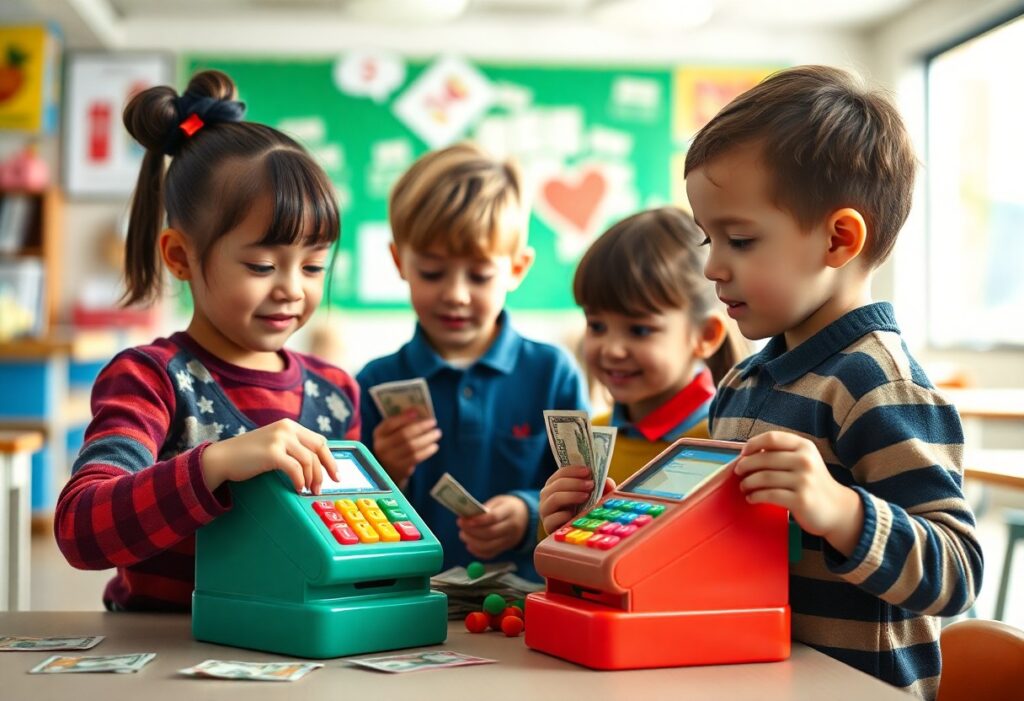
It’s imperative to introduce money concepts early in your child’s life. Teaching your young ones about money helps them understand its value and importance in daily activities. By starting these conversations at an early age, you set the foundation for responsible financial habits. This knowledge can benefit their future and empower them to make smart choices as they grow. In this post, you’ll learn effective ways to introduce these important money concepts to your children.
Key Takeaways:
- Introducing money concepts early helps children understand the value of money and how to manage it as they grow.
- Learning about money through fun activities, like playing store or using real coins, makes the concepts relatable and easy to grasp.
- Building a strong foundation in financial literacy can lead to better saving habits and responsible spending in the future.
Understanding Money Concepts
For young children, understanding money concepts is vital. Learning about money helps kids make sense of the world around them. It equips them with skills they will use for the rest of their lives. Introducing these concepts early provides a strong foundation for financial literacy.
What Is Money?
Any item that is generally accepted as payment for goods and services qualifies as money. It acts as a medium for exchange. This means that instead of bartering goods directly, people use money to make transactions easier and more efficient.
Different Types of Money
Beside physical cash, money comes in various forms. Understanding these helps you grasp how money works in different situations. Here are some of the main types:
- Cash: Paper bills and coins you use every day
- Bank deposits: Money held in your bank account
- Digital currency: Online forms of money like Bitcoin
- Checks: Written orders to transfer money from your account
- Gift cards: Prepaid cards for specific stores
Assume that each type of money has unique features and uses. This variety allows you to choose the best form for each situation.
| Type of Money | Example |
|---|---|
| Cash | Paper bills and coins |
| Bank Deposits | Savings account |
| Digital Currency | Bitcoin |
| Checks | Personal check |
| Gift Cards | Store-specific prepaid cards |
This understanding of different types of money is vital for you. Each type plays a role in how you save, spend, and manage your finances. By knowing the differences, you can make smarter decisions about your money.
- Cash is convenient for everyday purchases.
- Bank deposits offer security and interest.
- Digital currency is growing in popularity.
- Checks help in making large payments.
- Gift cards can be a fun treat for yourself or others.
Assume that the right type of money helps you reach your financial goals effectively. Understanding these concepts will guide you in making informed choices.
Why Early Exposure Matters
Any parent knows that early experiences shape a child’s future. Introducing money concepts in early childhood lays the foundation for smart financial choices later in life. When you teach your child about saving, spending, and sharing from a young age, they develop a strong understanding of money. Studies show that children who learn about money management early on are more likely to grow up with better financial habits and a positive attitude towards money.
Developing Financial Literacy
Any child can benefit from early lessons in financial literacy. By introducing simple concepts like counting money or understanding wants versus needs, you help them build vital life skills. Engaging activities, such as playing store or using allowances, make learning about money fun and effective. Early exposure helps your child feel more comfortable and confident when managing money.
Building Positive Money Habits
To create lasting positive money habits, it’s important to encourage practical experiences. Teaching your child to save a portion of their allowance can instill a sense of responsibility. You can also show them how to budget for small purchases. These habits will help them make informed choices in the future.
Hence, by actively involving your child in money-related activities, you instill a sense of purpose in their spending and saving. Regular discussions about money and its value will guide them in developing healthy financial routines. When your child learns to prioritize their wants and needs, they become more equipped to handle larger financial decisions as they grow. Establishing these habits early on paves the way for a stress-free relationship with money throughout their life.

Fun Ways to Teach Money Concepts
Your early introduction to money concepts can shape your child’s future understanding of finances. Teaching money through enjoyable activities makes learning fun, engaging, and effective. By incorporating games and hands-on experiences, you can help your child grasp the value of money while enjoying quality time together.
Play-based Learning
Ways to teach your child about money can include play-based learning activities. For instance, using play money to set up a pretend store allows children to practice buying and selling. You can also create simple board games that involve money management. These interactive methods encourage your child to explore financial concepts in a safe and enjoyable way.
Real-life Experiences
An excellent method for teaching money concepts is through real-life experiences. Involve your child in everyday financial activities, like grocery shopping or saving for a toy. These experiences give them practical insights into managing money. Watching you use cash or a card will provide examples they can learn from.
Even small tasks like counting change after a purchase can help your child understand the value of money. When you take them to the store, explain prices and budgets. Encourage them to help make decisions on what to buy. These relatable experiences build a solid foundation for future financial literacy, allowing your child to see money’s role in everyday life.
The Role of Parents and Educators
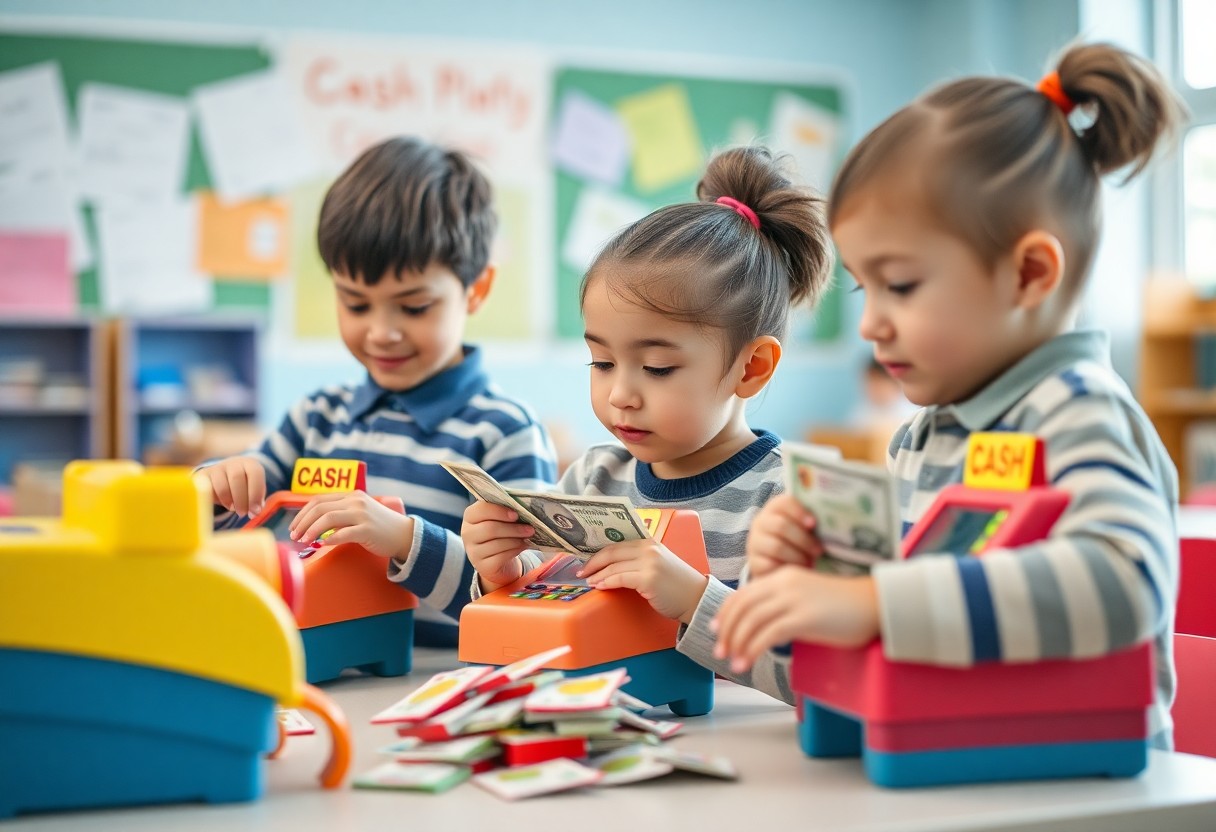
Once again, the influence of parents and educators is necessary in teaching young children about money concepts. Parents can set the stage by showing their kids how to handle money responsibly. Educators, on the other hand, can create engaging lessons that make financial literacy fun and easy to understand. By working together, both parents and teachers can help children develop a solid foundation in money management that will last a lifetime.
Engaging Conversations at Home
Beside creating a learning environment at school, you can spark engaging conversations about money at home. Talk about saving, spending, and budgeting during everyday activities. This approach will help your child connect money concepts to real-life situations. For example, you can discuss the cost of groceries while shopping or the importance of saving for a toy your child wants. Simple discussions will reinforce their understanding.
Interactive Learning in Classrooms
Below, classrooms offer plenty of opportunities for interactive learning about money concepts. Incorporating games and activities can make lessons exciting. For instance, you can use role-play scenarios where students practice budgeting or making purchases. This hands-on approach not only engages students but also reinforces what they learn. Children remember lessons better when they actively participate in them.
This focus on interactive learning is beneficial for your child’s development. Studies show that children learn more effectively when they are involved in their education. By using fun games and group activities, teachers can capture students’ attention and help them understand complex concepts. When money lessons are made fun, your child is more likely to develop a positive attitude towards managing finances, setting them up for success.
Overcoming Common Challenges
Unlike many subjects, teaching kids about money can feel daunting for parents. You might worry about how to start or what concepts to introduce first. These challenges are common, but you can overcome them by taking small, manageable steps. Start by integrating money discussions into everyday life. For example, talk about prices while shopping or discuss saving goals at the bank. This makes the learning process fun and engaging for your child.
Age-appropriate Discussions
To effectively teach money concepts, use age-appropriate discussions. Tailor your conversations based on your child’s age and understanding. For young children, simple ideas like saving and spending can be discussed using toys or games. As they grow, you can introduce topics like budgeting and earning money through chores. Making these discussions relatable will help your child grasp important financial concepts.
Avoiding Money Myths
The reality is that many people unknowingly pass along money myths. You want your children to have a solid foundation in financial facts, rather than misconceptions. One common myth is that money is always scarce, which can create a fear of spending. By addressing these misleading ideas early on, you can help your child develop a healthier relationship with money. Challenge these myths through open conversations and accurate information to set them on the right path.
At the same time, it’s important to distinguish between facts and myths regarding money. Many believe that debt is inevitable, but that isn’t true. You can teach your child about responsible spending and saving to avoid unnecessary debt. Explain that money can be a tool for achieving goals and that managing it well can lead to financial security. By fostering a positive attitude towards money, you empower your child to make informed decisions in their future.
Long-term Benefits of Financial Education
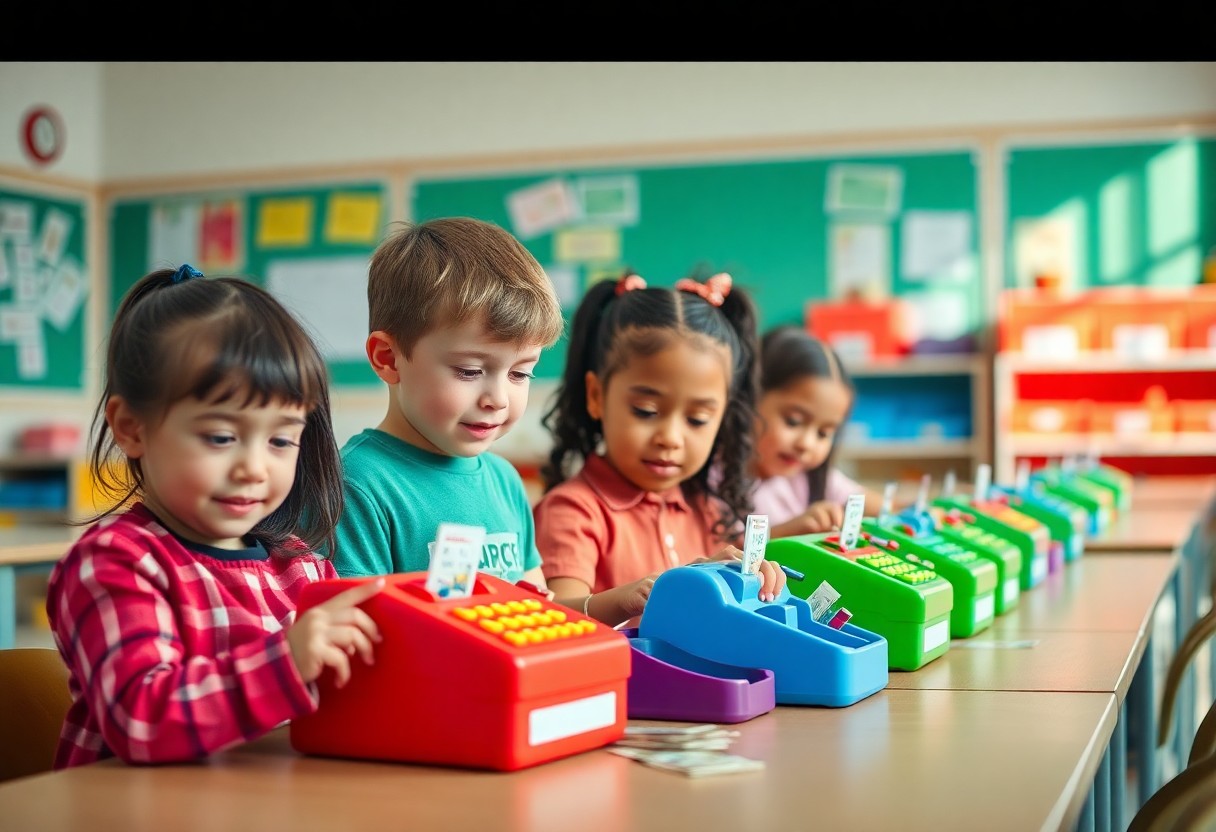
To set a strong foundation for their future, it’s imperative to introduce your children to money concepts early. Studies show that kids who learn about money management tend to have better financial habits as adults. This education can lead to less debt and more savings. For more information on when to start this important teaching, check out When To Start Teaching Kids About Money: A Quick Financial ….
Empowering Future Generations
About financial education for kids, you give them the tools they need to make smart choices. When children understand how to manage money, they grow up with confidence. They can handle real-life situations better and make informed decisions. This understanding helps break the cycle of financial struggles.
Fostering Responsibility and Decision-making
Responsibility plays a significant role in your child’s financial education. When kids learn to handle money, they feel empowered to make choices. They understand the value of saving and spending wisely. This knowledge shapes their attitude towards financial matters. The earlier they start, the more responsible they will be as adults.
Empowering your children with financial knowledge helps them realize their choices have consequences. By teaching them to budget and save, you are showing them how to prioritize needs over wants. This practice not only helps them make sound financial decisions but also instills a sense of accountability for their actions.
Final Words
So, introducing money concepts in early childhood is vital for building a strong financial foundation. By teaching your child about money through simple games and activities, you help them develop important skills for the future. These lessons can guide them in making smart choices about saving and spending. If you want to learn more, check out this Introduction to Basic Money Concepts for Preschoolers. Engaging your child in these discussions can make all the difference in their financial literacy journey.
FAQ: The Importance of Introducing Money Concepts in Early Childhood
Q: Why should parents teach their kids about money at a young age?
A: Teaching money concepts early helps children develop good financial habits. It also allows them to understand value, saving, and spending. This knowledge sets the foundation for responsible money management in adulthood.
Q: What are some simple ways to start teaching my child about money?
A: You can start by introducing them to different coins and bills. Use play money for games or shopping pretend play. Also, talk about saving by using a piggy bank. This hands-on experience makes learning fun!
Q: How can I show the difference between needs and wants to my child?
A: A good way to explain this is through a game. Make a list of items at home and ask your child to sort them into ‘needs’ and ‘wants.’ This will help them understand which items are necessary and which are just nice to have.
Q: At what age should children start learning about money?
A: Children can start learning about basic money concepts as early as preschool (ages 3-5). As they grow older, you can include more advanced topics like budgeting and saving for larger items.
Q: How can I encourage my child to save money?
A: Encourage your child to save by setting goals. For instance, if they want a toy, help them create a savings plan. You can also match their savings to motivate them. Celebrate when they reach their goal to make it a positive experience!
Key Takeaways
- Teaching money concepts early builds a strong financial foundation.
- Use games and real-life situations to make learning about money fun.
- Help children understand the difference between needs and wants.
- Start introducing money topics as early as preschool.
- Encourage saving by setting goals and rewarding achievements.