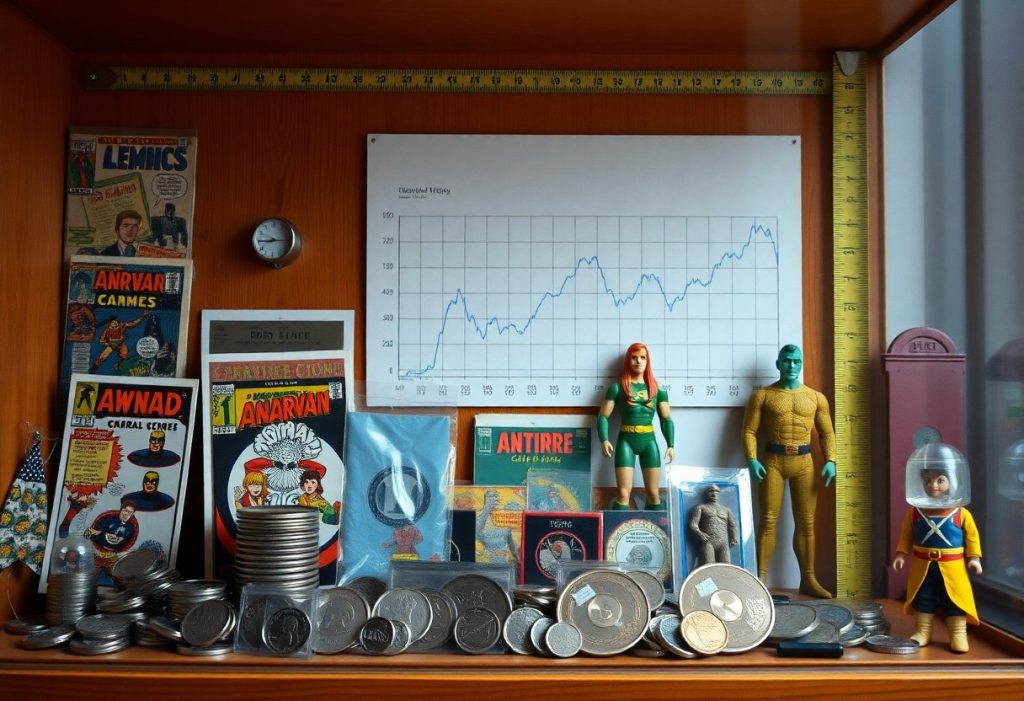
Just as you contemplate your investment strategies, the world of collectibles offers unique opportunities that may appeal to your interests. While items like rare coins, vintage toys, and art can appreciate in value, they come with their own set of risks. This post will guide you through the potential benefits and pitfalls of investing in collectibles, helping you make informed decisions about where to put your money. Explore if diversifying your portfolio with collectibles is a wise move for your financial future.
Key Takeaways:
- Collectibles can fluctuate in value, making them both an opportunity and a risk for investors.
- Research and knowledge about specific collectibles is necessary to make informed investment decisions.
- Long-term holding may yield better returns, but market trends and demographics can significantly affect value.
What Are Collectibles?
Collectibles are items that individuals gather for personal enjoyment or potential future profit. They range from vintage toys and comic books to rare stamps and art pieces. Each collectible often reflects historical value, artistic merit, or emotional significance, making them appealing to various collectors and investors alike.
Definition and Types
Collectibles are items valued for their scarcity and desirability rather than their original purpose. Types of collectibles vary widely and can include:
- Coins
- Stamps
- Trading cards
- Antiques
- Artworks
Knowing the different types can help you focus your collecting efforts and investment strategies.
| Type | Examples |
| Coins | Gold coins, vintage currency |
| Stamps | Rare first-day covers, vintage stamps |
| Trading Cards | Sports cards, Pokémon cards |
| Antiques | Furniture, jewelry |
| Artworks | Paintings, sculptures |
Popular Collectibles in Today’s Market
Today’s collectible market features various popular items that attract investors and hobbyists alike. Items like rare trading cards, vintage video game consoles, and limited edition sneakers have surged in popularity. This trend isn’t just a passing fad; many collectors see significant returns on their investments.
For instance, a rare Pokémon card recently sold for over $5 million, showing that some collectibles can yield high returns. Similarly, vintage comic books, especially first issues, have reached auction prices in the hundreds of thousands. The surge in online marketplaces has also made it easier for collectors to buy, sell, and trade collectibles, further fueling this market’s growth and attracting a new generation of investors.
The Investment Potential of Collectibles
Collectibles can provide a unique investment avenue, diversifying your portfolio beyond traditional assets. Rare items such as vintage toys, art, or sports memorabilia often appreciate over time, presenting profit opportunities. However, you should carefully consider the market demand and authenticity of these items. Collectibles As Investments can appeal to both enthusiasts and serious investors alike, making them an intriguing choice if you’re willing to engage with this niche market.
Historical Performance
Historical data reveals that certain collectibles have outperformed conventional investments. For example, fine art has appreciated at an average annual rate of 7.5% over the past 25 years, while classic cars have seen similar increases. These trends illustrate that, when chosen wisely, collectibles can yield substantial returns, benefiting long-term investors in unique ways.
Trends and Predictions
Collectibles are witnessing a resurgence, especially in the digital age with auctions transitioning online. Current trends indicate a growing interest in vinyl records, video games, and even vintage sneakers, driven by millennial and Gen Z collectors. As you navigate this evolving market, it’s vital to stay informed about emerging trends to hone your investment strategy.
The future of collectibles looks promising, with market analysts projecting strong growth in various niches. As interest continues to rise, valuation methodologies are becoming more sophisticated. Digital platforms are also increasing accessibility, making it easier for collectors to engage. Investing in collectibles isn’t just about potential returns; it’s also about recognizing what resonates with the collector community, which can enhance both financial gain and personal satisfaction in your investments.
Risks Involved in Collecting
Collecting can be an exciting venture, but it comes with significant risks that you should consider. Market fluctuations, authenticity concerns, and emotional attachment can impact both the value of your collectibles and your overall investment experience. Knowing these risks helps you make informed decisions and potentially safeguard your investments.
Market Volatility
The collectible market experiences fluctuations similar to traditional investments. Prices can soar due to trends or celebrity endorsements, only to plummet when interest wanes. For instance, the value of Pokémon cards peaked during the pandemic but saw notable declines later. You must stay informed about market trends to avoid being caught off guard.
Authentication and Fraud Issues
Authentication is vital in collecting, as reproductions and forgeries are prevalent. Many collectors have faced financial loss when purchasing inauthentic items, leading to a decline in trust within the market. Investing in professional grading services can mitigate this risk, offering peace of mind that your collectibles are genuine.
Further exploration highlights the importance of verifying source credibility. Relying solely on online purchases can expose you to fraud. Case studies show that auction houses or established dealers usually have protocols for authentication, reducing your risk. Additionally, communities and forums exist where experienced collectors share tips on recognizing genuine items. Engaging with these resources can enhance your confidence and knowledge, helping safeguard your investment against fraud.
How to Start Collecting
Beginning your collecting journey involves exploring your interests and understanding what appeals to you. Start small by focusing on a specific category, whether it’s coins, comic books, or vintage toys. Attend local collector shows, join online forums, and interact with experienced collectors to gain insight. Your goal should be to enjoy the process while gradually building your collection.
Research and Education
Knowledge is your best ally. Prioritize learning about your chosen collectibles by reading books, following blogs, and joining online communities. Websites like eBay and auction houses provide real-time market insights. Familiarize yourself with grading systems and values to make informed purchasing decisions. The more you know, the better choices you’ll make in your collecting journey.
Budgeting and Investment Strategies
Establishing a budget is vital to avoid overspending. Start by determining how much you can allocate monthly or annually for your collection. Look for items within that budget that are in demand or have growth potential. Consider diversifying your collection to mitigate risks while aiming for a balanced investment strategy.
Effective budgeting extends beyond initial investments; think long-term. Monitor market trends and adjust your strategy as needed. Set aside funds for unavoidable costs such as storage, insurance, or restoration if required. Investing in collectibles can be rewarding, but keeping a close watch on your overall expenses ensures you remain within your financial boundaries while pursuing your passion.
Comparing Collectibles to Traditional Investments
When evaluating collectibles against traditional investments, you’ll notice both unique advantages and significant risks. While traditional investments like stocks and bonds often provide steady returns, collectibles can offer higher potential rewards due to their rarity and demand. However, they come with challenges such as lack of liquidity and market volatility. For a broader perspective on the risks and strategies associated with collectibles, see Collectibles As Alternative Safe Haven: Risks, Estate ….
Table: Comparing Collectibles and Traditional Investments
| Collectibles | Traditional Investments |
|---|---|
| Higher potential rewards | Steady returns |
| Illiquidity | Highly liquid |
| Market volatility | Generally stable |
| Passion-driven | Finance-driven |
Benefits of Collectibles
Investing in collectibles offers unique opportunities, including the enjoyment of owning art, rare coins, or vintage toys. This passion can enhance your investment experience. Appreciation in value can significantly surpass traditional investments, especially in specialized markets. Certain collectibles also serve as tangible assets, providing a sense of security during economic downturns.
Drawbacks of Collecting
Collecting can be unpredictable and requires considerable knowledge to avoid pitfalls. Value can fluctuate wildly based on trends and demand, and some collectibles may take years to appreciate.
The unpredictability of the collectibles market can lead to significant losses. Unlike stocks, collectibles lack standardized values; their worth often depends on subjective factors. This subjectivity makes it challenging to establish a fair price or find buyers quickly. Additionally, fraud risks are higher in this unregulated market, making thorough research vital to protect your investment. You must also consider costs such as appraisals, insurance, and storage, which can eat into your profits.
Real-Life Examples of Successful Collectors
Successful collectors often illustrate the potential of collectibles as viable investments. These individuals turned their passions into profitable portfolios, showcasing the possibilities amidst inherent risks. For more insight into the unpredictable nature of this investment category, check out The Risks of Investing in Collectibles – Articles.
Case Studies
Spotlighting various collectors reveals both strategies and outcomes in the market.
- Steve Jobs’ Apple collectibles amassed over $1 million at auction, highlighting tech’s historic significance.
- A rare comic book, Action Comics #1, sold for $3.2 million in 2021, showcasing the soaring demand for iconic pieces.
- A vintage 1952 Mickey Mantle baseball card achieved $5.2 million, proving sports memorabilia’s investment potential.
- Fine art collector Anne H. sold a Picasso painting for $100 million, a testament to art’s lasting value.
Lessons Learned
These case studies offer valuable insights into the collectible market. Passion plays a significant role, but successful investing requires research and patience. Understanding market trends, provenance, and demand is imperative for making informed decisions. Collectibles can deliver significant returns, but awareness of fluctuations and risks, as noted in previous insights, will aid in navigating this complex landscape.
Conclusion
So, while collectibles can offer a unique investment opportunity, you must weigh the risks carefully. Your passion for collecting should align with potential market trends to maximize returns. Factor in the time and effort needed for research and valuation. Ultimately, diversifying your investment portfolio to include collectibles can be rewarding, but ensure that you are informed and prepared for market fluctuations. Prioritize collecting what you love, as personal enjoyment can provide value beyond financial gain.
FAQ
Q: What types of collectibles are considered good investments?
A: Some collectibles that are often considered good investments include rare coins, vintage toys, sports memorabilia, comic books, and art pieces. Their value can appreciate over time, especially if they are in good condition and have a unique story or provenance.
Q: How can I determine the value of my collectibles?
A: To determine the value of your collectibles, research recent sales of similar items, consult price guides, and seek professional appraisals. Online marketplaces and auction sites also provide insight into current market trends and pricing.
Q: What risks should I consider before investing in collectibles?
A: Investing in collectibles carries risks, such as market volatility, changes in demand, and condition deterioration. It may also take time to sell items at a desired price. Understanding these risks is important before making an investment.