Finance begins in your mind. If you often feel limited by money, you may be trapped in scarcity thinking. This mindset can hold you back from reaching your financial goals. In this blog post, you will discover practical steps to change your mindset and achieve financial freedom. You will learn how to shift your focus from lack to abundance, allowing you to make better financial choices. Let’s explore the strategies that can help you break free from scarcity thinking and empower you on your path to prosperity.

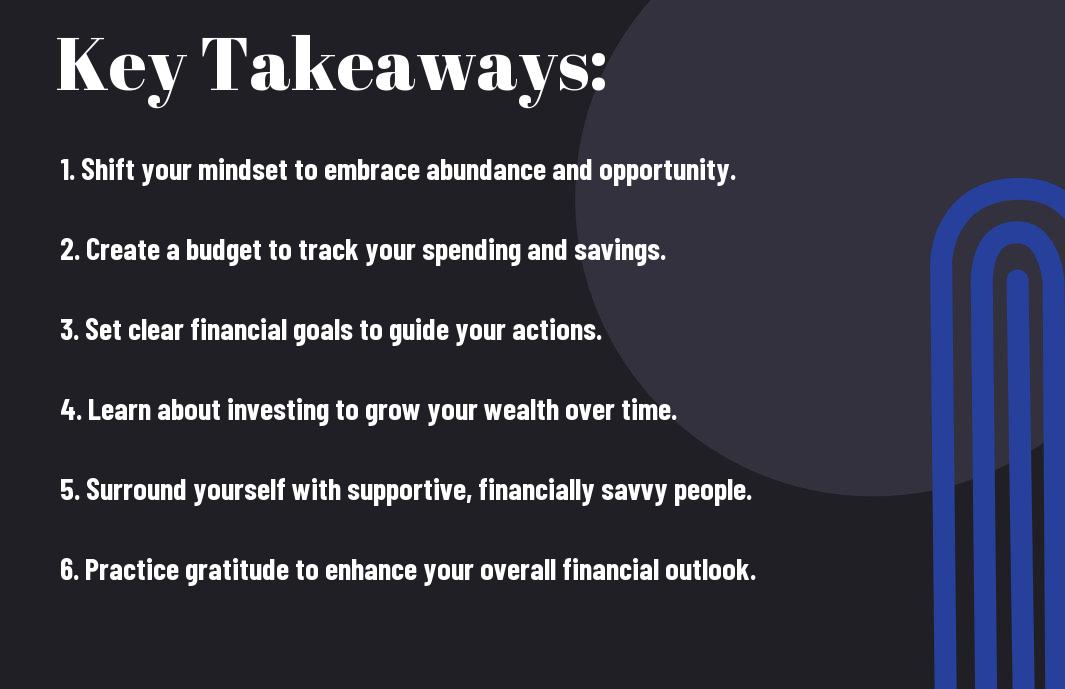
Key Takeaways:
- Shift Your Mindset: Embrace a growth mindset. Focus on opportunities and possibilities instead of limitations and lack.
- Create a Budget: Track your income and expenses. A budget helps you see where your money goes and aids in decision-making.
- Invest in Yourself: Develop new skills or enhance existing ones. Education and self-improvement can lead to better job opportunities and financial stability.
Understanding Scarcity Thinking
While many people strive for financial freedom, they often find themselves trapped in a mindset of scarcity. This way of thinking can limit your opportunities and keep you from achieving your financial goals. By understanding scarcity thinking, you can start to break the cycle and open up new possibilities in your life.
What is Scarcity Thinking?
Around the world, scarcity thinking refers to the belief that there is never enough money or resources. This mindset can make you feel anxious about your finances and lead you to make poor decisions. When you focus on what you lack, it becomes hard to see the opportunities that are available to you.
The Impact of Scarcity Mindset on Finances
Beside limiting your vision, a scarcity mindset can have serious effects on your financial decisions. It can make you hesitant to invest or take risks, which may prevent your money from growing. You might also feel like you need to continuously earn more, leading to stress and burnout.
This mindset often leads to a cycle of worry and poor financial choices. You may find yourself spending money impulsively or avoiding savings altogether. According to a recent study, people with a scarcity mindset are less likely to invest in opportunities that could improve their situation. When you shift your perspective from scarcity to abundance, you can start to make smarter financial moves that help you achieve your goals.

Shifting to an Abundance Mindset
Some people find it difficult to escape the cycle of scarcity thinking. This mindset limits your potential and leads to stress and dissatisfaction. To shift to an abundance mindset, focus on the opportunities around you. This change in perspective allows you to see possibilities instead of obstacles, paving the way for a more fulfilling life.
The Power of Positive Thinking
At the core of an abundance mindset is positive thinking. When you practice positivity, you open yourself to new experiences and ways of thinking. This can boost your motivation and push you to take actions that align with your financial goals. Studies show that positive thinking can enhance your problem-solving abilities, leading to better financial decisions.
Practical Exercises to Foster Abundance
Above all, you can engage in practical exercises to help foster an abundance mindset. These activities will shift your focus from lack to abundance, allowing you to cultivate a more positive outlook. Simple steps like gratitude journaling or visualizing your goals can significantly change your perspective.
Also, consider incorporating affirmations into your daily routine. Repeat positive statements about your financial goals and abundance. Visualization techniques can also be powerful; take a few minutes each day to picture your life filled with wealth and opportunities. Surrounding yourself with inspiring people and resources can further reinforce these ideas. These practices can create a positive shift in your mindset, promoting financial freedom.
Budgeting Basics
Your journey to financial freedom starts with understanding budgeting. A budget is a simple plan that helps you track your income and expenses. It allows you to see where your money goes and helps you make better financial choices. By creating a budget, you can free yourself from scarcity thinking and focus on building a secure financial future.
The Importance of a Budget
With a budget, you gain control over your finances. It helps you prioritize your spending and savings. When you know how much money you have, you can make informed decisions. A budget also prepares you for unexpected expenses, reducing stress and anxiety. By using a budget, you can shift your mindset from scarcity to abundance.
Creating a Realistic Budget Plan
Around your day-to-day expenses, it’s important to create a budget plan that works for you. Start by listing all your sources of income and regular expenses. This includes rent, groceries, and utilities. Then, identify areas where you can cut back or save. Make sure your budget is flexible enough to adapt to changes in your financial situation.
For instance, if you spend a lot on dining out, consider setting a specific amount for eating out each month. You can also find less expensive alternatives, like cooking at home. Track your expenses for a few months to see where you fall short or succeed. Adjust your budget as needed, always keeping your goals in mind. Over time, this practice will help you manage your money better and reach your financial goals.

Saving Strategies
Once again, consider how you manage your money. Effective saving strategies can lead you to financial freedom. Start by setting clear goals for your savings. Understanding your spending habits will help you save more. You can learn more about this journey in my article on Breaking Free from Scarcity Mindset: A Personal Journey.
Emergency Funds and Their Importance
Beside regular savings, having an emergency fund is necessary. This fund provides a safety net during unexpected events. Aim to save at least three to six months’ worth of expenses. This amount will give you peace of mind and protect you from future financial stress.
Tips for Effective Saving
To build your savings effectively, consider these tips:
- Set specific savings goals.
- Automate your savings to avoid temptation.
- Cut back on unnecessary expenses.
- Shop smart and compare prices.
- Track your spending regularly.
Thou will find these tips helpful as you work towards financial independence. The more you save, the closer you get to your financial goals. Stick to your budget and keep it simple. Here are a few more ways to boost your saving habits:
- Use apps to monitor your budget.
- Take advantage of discounts and rewards.
- Keep your savings separate from your checking account.
- Review your subscriptions and cancel those you don’t use.
Thou can achieve your financial goals with focus and determination. Start today by taking small, consistent steps toward saving more.
Setting Financial Goals
Unlike living in a scarcity mindset, setting clear financial goals helps you focus on what truly matters. It provides direction and motivation, allowing you to map out your journey toward financial freedom. By defining your goals, you can track your progress and make informed decisions about your money. This proactive approach builds a sense of control over your finances, making it easier to overcome limiting beliefs and embrace abundance.
Short-term vs. Long-term Goals
Goals can be categorized into short-term and long-term. Short-term goals, usually achievable within a year, can include saving for a vacation or paying off a small debt. Long-term goals take longer to achieve, often spanning several years. These might involve saving for a home or planning for retirement. Understanding the difference can help you prioritize and focus your efforts effectively.
How to Set SMART Financial Goals
Along with understanding the types of goals, you should learn to set SMART goals. SMART stands for Specific, Measurable, Achievable, Relevant, and Time-bound. Applying this framework ensures that your financial goals are clear and realistic. For instance, instead of saying you want to save more, a SMART goal would be to save $1,000 in six months for an emergency fund.
Setting SMART financial goals allows you to break down your vision into actionable steps. First, be specific about what you want to achieve. Next, make sure your goals are measurable, so you can track your progress. Ensure they are achievable, relevant to your life, and time-bound to create a sense of urgency. This method keeps you inspired and accountable, making it easier to reach financial freedom.
Educating Yourself About Money
Many people struggle with money because they lack knowledge about it. It’s important to educate yourself about financial topics like budgeting, saving, and investing. This knowledge can help you shift from a scarcity mindset to one of abundance. To dive deeper into this topic, check out Overcoming Scarcity and Achieving Financial Freedom. Understanding money management is a key step toward financial freedom for you.
Valuable Resources and Tools
Yourself, you have access to many resources that can help you learn about money. Books, online courses, and financial blogs provide valuable insights. Websites like Khan Academy or Coursera offer free money management courses. Use these resources to build your financial knowledge and skills.
Importance of Continuous Learning
To gain control over your finances, continuous learning is crucial. The financial landscape changes frequently, and staying informed about new trends and tools can empower you to make better decisions.
And by continuously educating yourself, you can adapt to changes and improve your financial habits. Learning about investments, savings strategies, and budgeting techniques will help you stay updated. This knowledge enables you to identify opportunities, avoid pitfalls, and ultimately achieve your financial goals with confidence.
Final Words
With this in mind, breaking free from scarcity thinking involves changing your mindset and taking actionable steps toward financial freedom. Start by focusing on abundance, setting clear financial goals, and educating yourself about money management. Surround yourself with positive influences and resources that support your journey. As you implement these practical steps, you’ll cultivate a wealthier mindset and pave the way to a more secure financial future. Your progress may be gradual, but with persistence and dedication, you can achieve lasting financial well-being.
FAQ: Breaking Free From Scarcity Thinking – Practical Steps to Financial Freedom
Q: What is scarcity thinking?
A: Scarcity thinking is the mindset where a person believes that there is never enough. This can relate to money, time, or resources. People with this mindset often feel stressed and anxious about their finances. They may think they must save every penny and avoid risks, even if taking some risks could lead to better opportunities.
Q: How does scarcity thinking affect financial decisions?
A: Scarcity thinking can lead to poor financial choices. When people feel there is not enough, they may overemphasize saving and underestimate the value of investing. This can keep them from growing their wealth. It can also cause them to avoid opportunities that could improve their financial situation, like buying a small business or furthering their education.
Q: What practical steps can I take to break free from scarcity thinking?
A: Here are some practical steps that can help you shift your mindset:
- Change your focus: Instead of thinking about what you lack, focus on what you have. Make a list of your strengths and resources.
- Set clear goals: Define what financial freedom looks like for you. Set short-term and long-term goals to work toward.
- Start budgeting: Create a budget that accounts for both needs and wants. This helps you see where your money goes.
- Educate yourself: Read books, attend workshops, or take online courses about financial management and investing.
- Seek support: Connect with people who think positively about money. Join a community or group that encourages financial growth.
Q: Can changing my thought process really impact my finances?
A: Yes, changing your thought process can significantly impact your finances. A positive mindset can lead you to seize opportunities, make informed decisions, and take calculated risks. By fostering an abundance mindset, you are more likely to attract better resources and opportunities.
Q: How long does it take to break free from scarcity thinking?
A: The time it takes varies for each person. It depends on how deeply ingrained the scarcity mindset is and how committed you are to making changes. With consistent effort and practice of positive habits, many people start seeing a difference in their mindset and financial situation within a few months.
Key Takeaways
- Scarcity thinking can hinder financial success.
- Focus on your strengths and set clear financial goals.
- Creating a budget is imperative for understanding your finances.
- Education and positive social connections can help shift your mindset.
- Be patient and persistent as you work to change your thoughts and habits.
By taking these steps, you can begin to foster a mindset of abundance and move towards financial freedom.