Most scams rely on urgency and persuasive tactics, so you should verify sources, protect personal information, use strong passwords and two-factor authentication, review bank and credit statements regularly, and pause before responding to unsolicited offers. Stay informed about common schemes, report suspicious activity to your bank and authorities, and use trusted security tools to reduce your risk.

Key Takeaways:
- Verify requests: confirm sender identity via known contact information or official websites before sharing data or sending money.
- Protect credentials: use unique strong passwords, enable two-factor authentication, and avoid public Wi-Fi for financial transactions.
- Monitor and act: review account activity frequently, set alerts, and report suspected fraud to your bank or local authorities immediately.
Understanding Financial Scams
Types of Financial Scams
You’ll encounter phishing emails that mimic banks, Ponzi or investment schemes promising impossible returns (eg, Madoff’s $65 billion fraud), romance scams that isolate victims, imposter scams posing as IRS or tech support, and crypto/ICO scams that exploit irreversibility and anonymity; each targets a different vulnerability and can cost victims from hundreds to millions, so you must spot the pattern fast and act cautiously.
| Phishing | Fake login pages, credential theft via spoofed email links |
| Investment/Ponzi | Guaranteed high returns; example: Madoff’s $65B collapse |
| Romance | Emotional manipulation leading to wire transfers or gift cards |
| Imposter | Caller ID spoofing, threats from “IRS” or “tech support” |
| Crypto/ICO | Fake tokens, rug pulls, irreversible transfers |
- Unsolicited contact asking for personal details or money.
- High-pressure deadlines or threats to force quick action.
- Requests for payment via gift cards, wire transfers, or crypto.
- Thou always verify identities through official channels before you send funds.
Common Tactics Used by Scammers
Scammers rely on social engineering: urgency, authority, and familiarity to bypass your skepticism-caller ID spoofing makes a call look like it’s from your bank, phishing emails mimic real invoices, and malware hides in attachments; when you see urgency plus an unusual payment method, treat the request as suspicious and verify independently.
For example, a typical Business Email Compromise (BEC) starts with email reconnaissance, then a spoofed invoice requests a wire; many victims report losses in the thousands. Romance scams often begin on dating apps, build trust over weeks, then ask for emergency transfers. Imposter fraud uses spoofed numbers and fabricated threats to prompt immediate payment via gift cards-if you’re pressured to act now, confirm by contacting the company using published numbers or secure account portals before you respond.
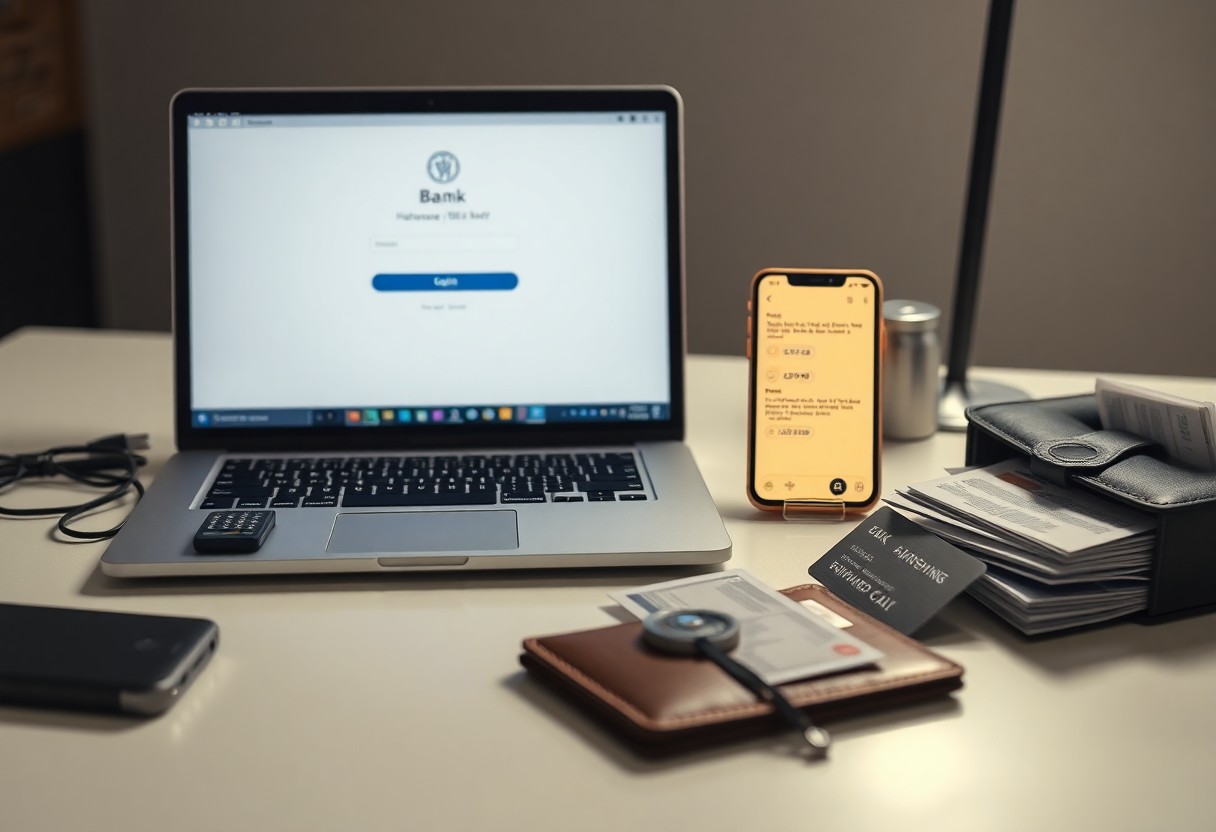
Key Factors to Consider
When evaluating any solicitation, you should verify the sender, payment method, and urgency; scammers frequently push for quick transfers via wire, gift cards, or cryptocurrency and use pressure tactics. Check that URLs match official domains and that contact numbers align with those on your statements. Pay attention to requests for sensitive personal data and promises that seem out of market norms. Perceiving small mismatches in language, domain, or payment requests can save you from losing funds.
- Verify sender domain and official phone numbers
- Avoid non-reversible payments (gift cards, wire transfers, crypto)
- Watch for pressure to act immediately and secrecy requests
Recognizing Red Flags
You should treat unsolicited messages demanding immediate action or secrecy with suspicion; phishing often uses urgent language and spoofed caller ID. Common giveaways include generic greetings, mismatched sender addresses (for example, a “bank” email from a Gmail account), spelling errors, unexpected attachments, and requests for remote access. Scammers also promise unrealistic returns-like “guaranteed 20% monthly”-or ask you to pay via gift cards or cryptocurrency. When multiple red flags appear, pause and verify through independent channels.
Assessing the Legitimacy of Offers
Start by confirming the offer against authoritative sources: check FINRA BrokerCheck for brokers, search SEC EDGAR for public company filings, and verify business registration with your state regulator. Use WHOIS to check domain age and SSL certificate details, and call the institution using a phone number from an official statement rather than the one in the message. If an investment promises abnormally high, risk-free returns (for example, 15% annually with no downside), treat it as likely fraudulent and seek independent advice.
For deeper verification, ask the sender for documentation-licence numbers, audited financials, and a written contract-and cross-check those with issuing authorities. You can run a reverse-image search on profile photos, search the company name plus “scam” or “complaint,” and consult consumer resources like the Better Business Bureau or your state attorney general. When in doubt, perform a small, refundable test transaction or consult a certified financial planner or attorney before committing larger sums.
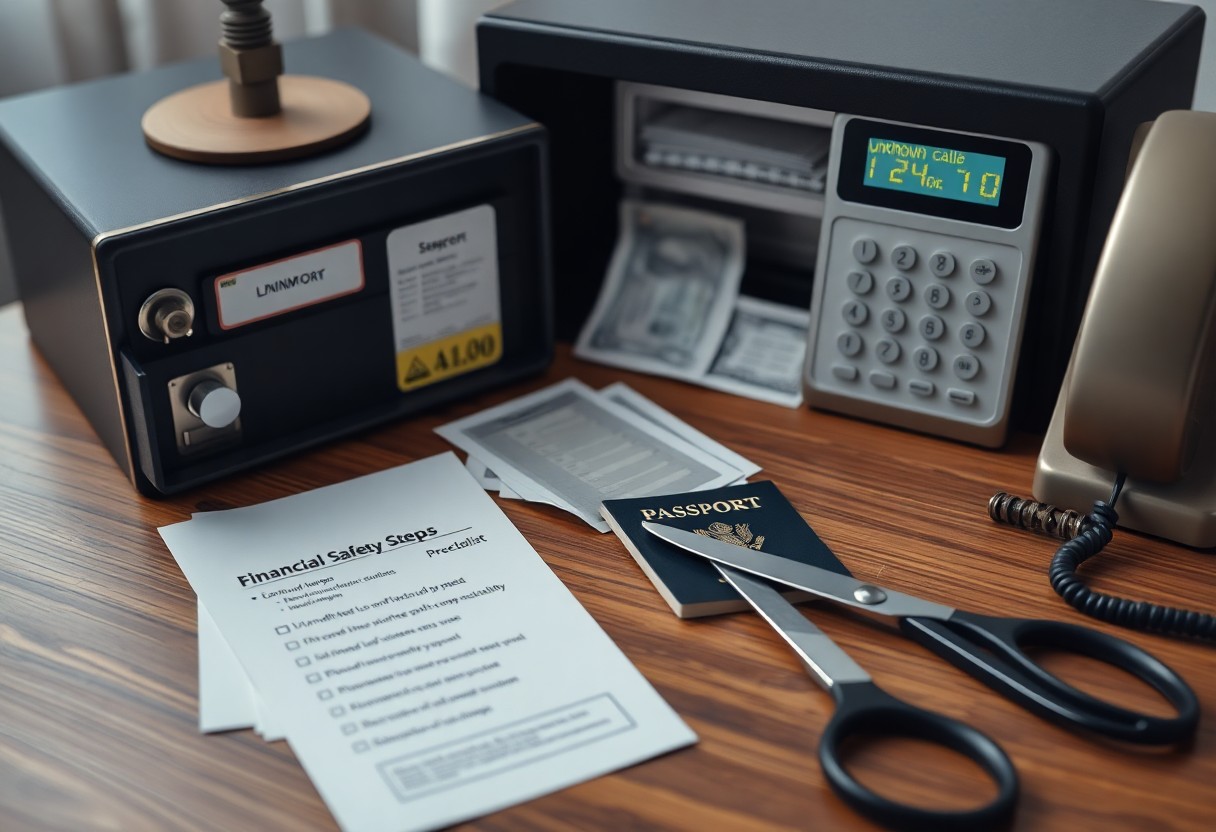
How to Protect Yourself
Your protections should be layered: enable two‑factor authentication on banking and email, freeze your credit at the three bureaus (Equifax, Experian, TransUnion) if you suspect risk, and check your free credit reports annually at AnnualCreditReport.com. Set real‑time alerts for transactions, use a password manager to generate unique passwords, and update devices and apps promptly to close vulnerabilities; the FTC reported consumers lost $8.8 billion to fraud in 2022, so swift actions reduce exposure.
Tips for Safeguarding Your Information
Limit data you share online, set social accounts to private, and avoid posting travel plans that reveal absence. Never give account numbers, PINs, or one‑time passwords in response to unexpected calls, texts, or emails; call the company using a number from their official website. Use biometric locks and encrypted backups on devices, and enroll in bank transaction alerts. This checklist helps you act quickly.
- Create unique, long passwords and use a password manager
- Enable two‑factor authentication on financial and email accounts
- Freeze or monitor credit with Equifax, Experian, TransUnion
- Use a VPN on public Wi‑Fi and keep software updated
- Shred physical documents with personal data
Strategies for Spotting Scams Early
Watch for urgency, unsolicited contact, requests for immediate payment via gift cards or crypto, mismatched sender addresses, grammatical errors, and offers that promise unusually high returns. Hover over links to verify URLs, check sender email headers, and confirm requests by calling the company using a number from a bill or official website. If a caller pressures you to bypass security, treat the contact as suspicious.
Use technical checks: hover links, run a WHOIS lookup at whois.icann.org to spot newly registered domains, and paste suspicious URLs into Google Safe Browsing or VirusTotal before clicking. Verify requests via a separate channel-call the institution using the number on your statement, not any provided message. Test by asking the sender to confirm a recent transaction detail only your account would show; scammers usually fail that check.
Resources for Reporting Scams
Contacting Authorities
If you suspect fraud, file reports with law enforcement and federal agencies: call your local police non-emergency number for theft or threats and dial 911 if you face immediate danger, submit a complaint at FTC.gov/complaint or call 1-877-FTC-HELP (1-877-382-4357), and report online scams to IC3.gov; include dates, transaction IDs, email headers, and screenshots so investigators can triage based on financial loss and public harm.
Utilizing Consumer Protection Organizations
You can escalate to organizations like the Better Business Bureau (BBB.org) to log complaints and see company histories, contact your state attorney general’s consumer division for mediation and enforcement actions, and use IdentityTheft.gov for ID-theft recovery plans; these groups often provide templated demand letters and track complaint outcomes publicly.
When working with consumer organizations, prepare documentation: order numbers, bank statements, screenshots, and correspondence speed resolutions; consider filing with Econsumer.gov for cross-border e-commerce, contacting AARP’s Fraud Watch Network if you’re older, and asking your card issuer for a fraud dispute or chargeback-acting quickly increases the chance of reimbursement and formal action.
Staying Informed
Stay sharp by checking official guidance like Avoiding Scams and Scammers, subscribing to bank and regulator alerts, and studying recent cases where fraudsters used spoofed login pages or business-email-compromise to divert payments; doing so helps you spot red flags such as unusual payment requests, unexpected account verification prompts, or unsolicited links that mimic legitimate institutions.
Regularly Educating Yourself on New Scams
Set a routine to read weekly summaries from the FTC, CFPB, and industry blogs so you catch patterns like AI deepfake voice scams or Zelle-authorized transfers; signing up for webinars, local consumer-protection newsletters, and community alerts exposes you to real examples and prevention tactics that you can apply immediately to protect your accounts.
Following Trusted Financial News Sources
Prioritize primary sources-FDIC, FTC, CFPB and your bank-over social posts, and follow financial reporters at outlets like Wall Street Journal or Bloomberg for investigative pieces that reveal methods and scale; cross-check any alert against an official press release or your institution’s website before acting on requests that affect your money.
Practical steps include creating Google Alerts for terms like “payment diversion” and “phishing,” using an RSS reader (Feedly) to aggregate regulator feeds, and following official agency handles on social media; when you see a story, verify the publication date, source document, and whether banks or regulators issued the advisory before you change account credentials or move funds.
Building Financial Awareness
You should track scam trends and authoritative guidance-the FTC reports consumers lost over $8.8 billion to fraud in 2022-and consult official resources such as Scams | Travel.State.gov for travel-related fraud warnings. Analyze real cases like fake vacation rentals and imposter tax calls, log attempted scams, and share patterns with family to protect accounts and reduce repeat targeting.
Understanding Personal Finance Basics
You can prevent many scams by mastering budgeting, emergency funds, and credit mechanics: target 3-6 months of living expenses, keep a $1,000 starter reserve, and monitor your credit score (300-850) with utilization under 30%. Track subscriptions, reconcile monthly statements within 30 days, and freeze credit if you detect suspicious activity to limit identity-theft fallout.
Engaging in Financial Literacy Programs
You should join programs from the NFCC, FINRA Investor Education, community colleges, or short online courses (2-10 hours) on platforms like Coursera and Khan Academy. Employer-sponsored workshops often include practical modules on budgeting, debt management, and fraud recognition-skills that let you spot red flags in emails, calls, and payment requests before you respond.
When dicking out a program, pick one with a clear syllabus (budgeting, debt reduction, investing basics, fraud detection), assessments, and a certificate or counselor follow-up. Begin with a self-audit-list debts, monthly cash flow, and recent suspicious contacts-then set measurable targets (for example, reduce unsecured debt 20% in six months or build a three-month emergency fund) and use course tools to track progress and reassess outcomes.
To wrap up
Taking this into account, you should verify contacts and links, use strong, unique passwords and two-factor authentication, keep software and devices updated, monitor accounts frequently, avoid sharing personal or financial details in unsolicited requests, transact only on secure networks, and report suspected scams to your bank and authorities promptly to limit harm.
FAQ
Q: How can I recognize common financial scams?
A: Watch for urgent, unsolicited requests for money or personal data, especially if they demand payment by wire transfer, gift card, cryptocurrency, or cash app. Check sender details-phishing emails often use slightly altered domains, generic greetings, spelling/grammar errors, or spoofed caller IDs. Be wary of pressure to act quickly, promises that sound too good to be true, and requests for remote access to your devices. Verify offers and requests by contacting the company or person through official channels (not the contact information provided in the suspicious message) and search the company name plus “scam” online before responding.
Q: What steps should I take to secure my accounts and personal information?
A: Use unique, strong passwords for every account and a reputable password manager to store them. Enable two-factor authentication with an authenticator app or hardware key instead of SMS when possible. Keep devices and software updated, use antivirus and a secure home Wi‑Fi network, and avoid conducting financial transactions on public Wi‑Fi. Limit sharing of sensitive details (SSN, account numbers, passwords) and shred physical documents with personal data. Sign up for bank and credit alerts, review statements regularly, and consider virtual or single-use card numbers for online purchases.
Q: What should I do immediately if I think I’ve been targeted or scammed?
A: Stop communicating with the suspected scammer and cut off any payment method used. Change passwords and enable 2FA on affected accounts, then contact your bank or card issuer to report fraud, request charge reversals, and freeze or close compromised accounts. Report the incident to relevant authorities (in the U.S.: FTC at identitytheft.gov and the FBI’s IC3; check your country’s consumer protection agency if elsewhere). Place a fraud alert or credit freeze with credit bureaus, document all communications and transactions, run malware scans on devices, and file a police report if there’s a significant loss.