

You might not realize that ethical decision-making plays a significant role in your business’s financial success. When you choose to act with integrity, you build trust with customers, employees, and investors. This trust can lead to increased loyalty, better brand reputation, and ultimately, improved financial performance. In this post, we will explore how making ethical choices can positively impact your bottom line and provide actionable steps to enhance your business ethics.
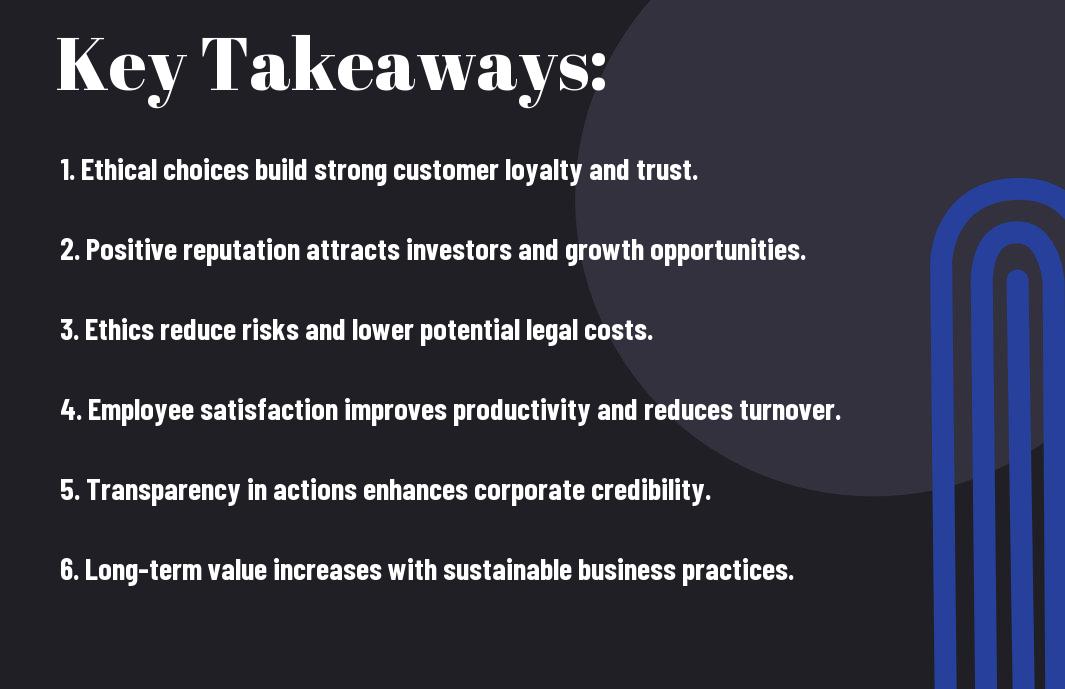
Key Takeaways:
- Ethical decision-making leads to better employee morale and motivation, which can improve overall productivity and financial results.
- Companies that prioritize ethics build stronger relationships with customers and stakeholders, fostering loyalty and trust that can enhance financial performance.
- Good ethical practices can prevent legal issues and reputational damage, saving companies money in the long run and ensuring sustainable growth.

Understanding Ethical Decision-Making
For businesses today, understanding ethical decision-making is vital. It influences not just reputation but also financial success. Your choices in finance should reflect ethical considerations. Explore more about to what extent do ethical considerations affect decision-making to grasp this concept fully.
Definition of Ethical Decision-Making
Any decision that weighs moral principles and values falls under ethical decision-making. It’s about choosing what is right over what is easy. This approach applies in all aspects of business, shaping how you interact with stakeholders and make financial choices.
Importance in Business
On a day-to-day basis, ethical decision-making can make or break your business. Companies known for their integrity often attract loyal customers and talented employees. With strong ethical practices, you may see improved relationships with clients and better financial results.
Due to the increasing demand for transparency, businesses that prioritize ethics often outperform their rivals. Your commitment to ethical practices builds trust among customers, which can lead to increased sales. People are more likely to support brands that align with their values. By integrating ethical decision-making into your business strategy, you position yourself for long-term success and sustainable growth.

The Connection Between Ethics and Financial Performance
The link between ethics and financial performance is strong. Companies that prioritize ethical behavior often see better financial results. They gain trust and loyalty from customers and employees. This positive reputation can lead to increased sales and productivity. If you want to learn more, check out The Role of Ethics in Financial Decision Making.
Ethical Practices and Profitability
Ethics plays a significant role in profitability. Businesses that focus on ethical practices often perform better in the long run. Customers are more likely to support brands they trust. This trust translates into higher sales and repeat business. When you choose to act ethically, you contribute to a strong brand image that attracts new clients.
Long-term vs. Short-term Gains
With a focus on short-term gains, companies may overlook ethical decisions. This can lead to quick profits but damage your brand in the long run. It’s necessary to balance immediate financial success with ethical considerations. Prioritizing long-term goals helps you build a sustainable business.
At the heart of this discussion is the idea of sustainability. Companies that prioritize ethical decision-making often find that their actions lead to lasting success. By focusing on long-term growth, you commit to not just profits today but also securing your company’s future. This approach builds lasting relationships with customers, employees, and stakeholders, creating a stable environment for your business to thrive.
Case Studies of Companies with Strong Ethical Standards
Unlike many businesses that prioritize profit over integrity, several companies have thrived by following strong ethical standards. These companies show how ethical decision-making can enhance financial performance:
- Starbucks: Increased revenue by 11% in 2020 after pledging to source ethically grown coffee.
- Patagonia: Reported 15% annual sales growth in 2021 after implementing sustainable practices.
- Ben & Jerry’s: Grew its market share by 24% in the last three years by focusing on social justice and responsible sourcing.
- Unilever: Saw their sustainable brands grow 69% faster than the rest of their portfolio in 2022.
Successful Ethical Companies
Behind every successful ethical company is a commitment to doing the right thing. These companies focus not just on profit but also on their impact on society and the environment. This approach builds customer loyalty and can lead to significant financial gains.
Lessons Learned
On your journey to understanding ethical decision-making, you will find valuable lessons from these companies. They prove that treating people and the planet well can lead to better financial performance.
In addition, companies that embrace ethical practices often see enhanced brand loyalty. By aligning your values with those of your customers, you can create a strong connection. This connection translates into loyal customers who are willing to support your brand, leading to steady growth and profitability. By learning from successful ethical companies, you can apply these principles to your own practices, thereby improving your financial outcomes and making a positive impact on your community.
The Role of Corporate Social Responsibility
Once again, corporate social responsibility (CSR) plays a vital role in ethical decision-making within businesses. Companies that prioritize CSR focus on making positive impacts while driving their financial success. This approach not only benefits the community and environment but also shapes the company’s image and relationship with stakeholders. When you invest in CSR, you foster trust with your customers and create a loyal customer base, which can ultimately lead to improved financial performance.
CSR and Its Impact on Reputation
Any company that embraces CSR tends to enhance its reputation. Consumers today value businesses that show commitment to ethical practices and social causes. When you actively engage in CSR efforts, such as environmental protection or community support, you set your brand apart from competitors. This positive image can result in increased customer loyalty and attract new clients who share similar values.
Financial Benefits of CSR Initiatives
Impact studies show that companies investing in CSR initiatives often experience significant financial benefits. These can include increased sales, higher profitability, and improved employee morale. You may find that when your organization commits to ethical practices, it builds a strong reputation that attracts customers willing to pay a premium. Additionally, companies with solid CSR programs can reduce operational costs through efficiencies and risk management.
Consequently, the long-term financial benefits of CSR can be impressive. Research indicates that companies with effective CSR programs can outperform their peers in the stock market. As a result, your commitment to responsible practices not only leads to a better image but also impacts your organization’s bottom line positively. By integrating CSR into your business strategy, you reinforce your ethical stance and drive performance, ensuring sustainable growth and competitiveness.

Challenges in Implementing Ethical Decision-Making
Many organizations face obstacles when trying to implement ethical decision-making. These challenges can stem from various factors including lack of awareness, limited resources, and resistance to change. When ethics are not prioritized, it can lead to confusion among employees and affect overall performance. Understanding these challenges is the first step in improving your own approach to ethical decision-making.
Common Obstacles
For many businesses, common obstacles include unclear guidelines and varying personal values among team members. When employees do not have clear ethical standards to follow, it can lead to inconsistent decisions. Additionally, if your team has different ideas about what is right or wrong, conflict can arise, affecting your organization’s overall integrity.
Strategies to Overcome Challenges
Below are some effective strategies you can use to overcome challenges in ethical decision-making. Start by providing training on ethical practices for all employees. Creating a framework that outlines acceptable behaviors can also help. Encourage open discussions about ethics within your team to clarify any misunderstandings and to foster a united approach.
To enhance ethical decision-making in your organization, it’s important to create a culture of transparency. Regularly engage your team through workshops or seminars to reinforce ethical standards. Establish a clear code of ethics that everyone understands and commits to following. Additionally, provide avenues for employees to voice their concerns without fear of backlash. By fostering an environment of trust, you can help your team navigate ethical dilemmas more effectively.
Measuring the Impact of Ethics on Financial Performance
All businesses today are starting to realize that ethical decision-making can greatly influence financial results. When a company acts ethically, it often builds a strong reputation, attracts loyal customers, and improves employee satisfaction. These factors can lead to increased profits and long-term success. By measuring the impact of ethics, you can clearly see how ethical behavior translates into better financial performance for your organization.
Key Performance Indicators (KPIs)
Below are some key performance indicators (KPIs) that can help you measure the impact of ethics on your financial performance. These include customer satisfaction rates, employee retention rates, and overall reputation scores. Tracking these KPIs will give you a clearer picture of how your ethical practices affect your bottom line.
Tools for Evaluation
At your disposal are various tools for evaluating the impact of ethics on financial performance. Surveys, financial reports, and stakeholder feedback can provide valuable insights. These tools help you analyze trends and make necessary adjustments to improve ethical practices and maximize profitability.
Performance measurement tools allow you to gather data from different sources. For example, you can use customer surveys to gauge satisfaction levels after implementing ethical business practices. Financial reports will show how these practices impact sales and profit margins over time. This combination of qualitative and quantitative data helps you evaluate whether your ethical strategies are effective, guiding you to make better decisions moving forward.
Final Words
Taking this into account, understanding how ethical decision-making impacts financial performance is necessary for you as a leader or employee. When you prioritize ethics, your organization builds a strong reputation, attracting customers and talent. This trust can lead to improved sales and better financial results. By making ethical choices, you not only support a positive work environment but also contribute to the long-term success of your company. Always consider the broader impact of your decisions, as they shape both your organization’s future and your own career path.
FAQ on How Ethical Decision-Making Impacts Financial Performance
Q1: What is ethical decision-making in business?
A: Ethical decision-making in business refers to the process of choosing actions that align with moral values and standards. This means considering what is right or wrong when making choices that affect the company, its employees, stakeholders, and customers. It involves evaluating the impact of decisions not just on profits but also on people and the environment.
Q2: How does ethical decision-making affect a company’s reputation?
A: When a company makes ethical decisions, it builds a positive reputation. Customers are more likely to trust and support businesses that act responsibly. A strong reputation can attract more customers, which can lead to increased sales and profits. On the other hand, unethical choices can harm a company’s image and drive customers away.
Q3: Can ethical decision-making lead to better financial performance?
A: Yes, ethical decision-making can lead to better financial performance. Businesses that prioritize ethics often enjoy long-term success. They experience lower turnover rates among employees and face fewer legal issues. These benefits can save money and lead to higher profits over time. Additionally, sustainable practices can open up new markets and opportunities for growth.
Q4: What are some examples of ethical decisions in finance?
A: Examples of ethical decisions in finance include:
- Transparent reporting of financial information to investors.
- Avoiding conflicts of interest in investment strategies.
- Making choices that do not harm the environment or community.
- Ensuring fair wages and treatment for employees.
These actions show commitment to ethics and can lead to long-term benefits for the company.
Q5: How can companies ensure they are making ethical decisions?
A: Companies can ensure they are making ethical decisions by creating a clear code of ethics. This document should outline the company’s values and guidelines for behavior. Training employees regularly on these guidelines is also important. Additionally, establishing a whistleblower policy encourages employees to report unethical behavior without fear of retaliation. Seeking feedback from stakeholders can also help businesses understand how their decisions impact others.
Key Takeaways
- Ethical decision-making builds trust and a strong reputation.
- Making ethical choices can lead to improved financial performance over time.
- Companies should develop a code of ethics and train employees on it.
- Transparency and accountability help maintain ethical standards.
By prioritizing ethics, businesses can achieve not only financial success but also contribute positively to society.


